64 riders, three hairpins, and a new event built from scratch: this is what a British hill climb looks like from the other side of the clipboard.
Cycling events don’t usually feature in my Sunday morning routine. But on Sunday 5th October, after a delightfully early 5:30 a.m. alarm, I found myself volunteering at the inaugural ZigZag Hill Climb near Shaftesbury. Admittedly, there was a certain inevitability about my involvement, my brother being the founder and organiser – but still, I was eager to see what all the fuss (and the early mornings) were about.
For the uninitiated, a hill climb is exactly what it sounds like: a rider starts at point A and rides as fast as possible up a steep hill to point B. The beauty of it lies in its simplicity. Unlike a road race, there are no rolling road closures or police escorts – just the rider, the gradient, and the clock. In this case, the challenge was ZigZag Hill itself: 3.86 kilometres of twisting tarmac, climbing 121 metres with an average gradient of 2.5% and hairpins that bite at around 15%.
My role was to manage Headquarters (HQ) – organising riders at sign-on, handing out race numbers, and offering cowbells in exchange for donations to the New Forest Bike Project. One of the event’s main aims was to build a sense of camaraderie and community, to elevate the humble hill climb into something both riders and spectators would want to support. There was freshly brewed coffee and pastries from The Coffee Guy for the bleary-eyed early risers, professional photos by PelotonPix, and a generous prize pot thanks to AltaVia and Luke Barfoot, with awards for both individuals and teams. The spirit of inclusivity, I think, was what made ZigZag feel so special. It wasn’t just about elite performances; it was about atmosphere – simple, fresh, and full of heart.
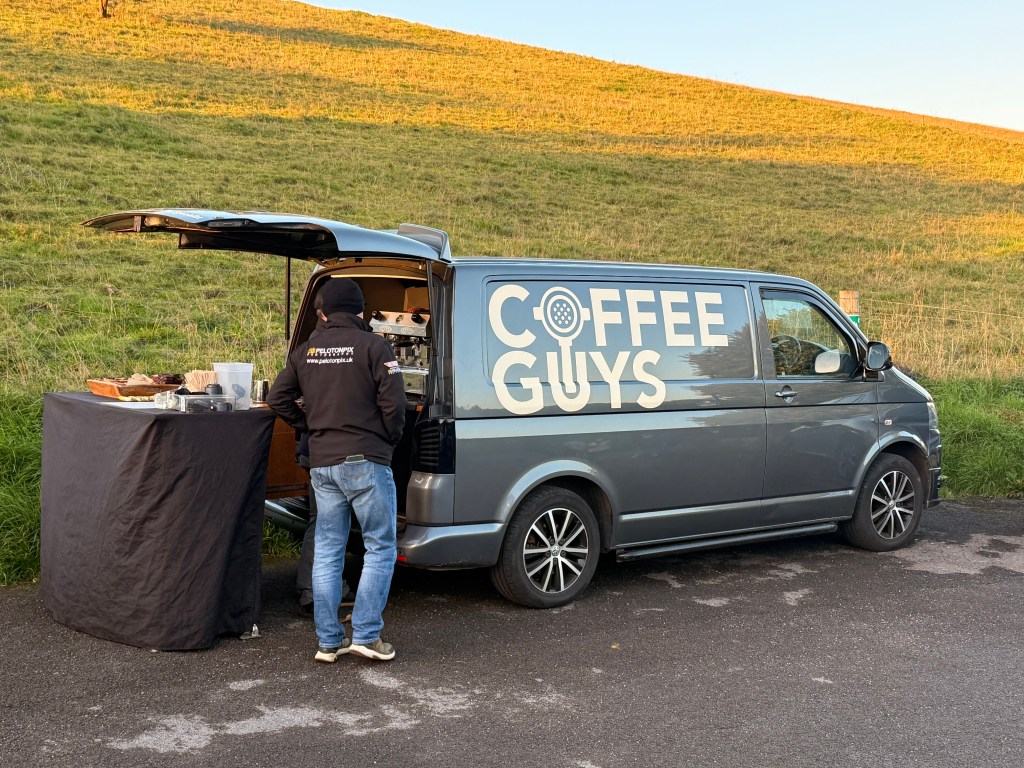
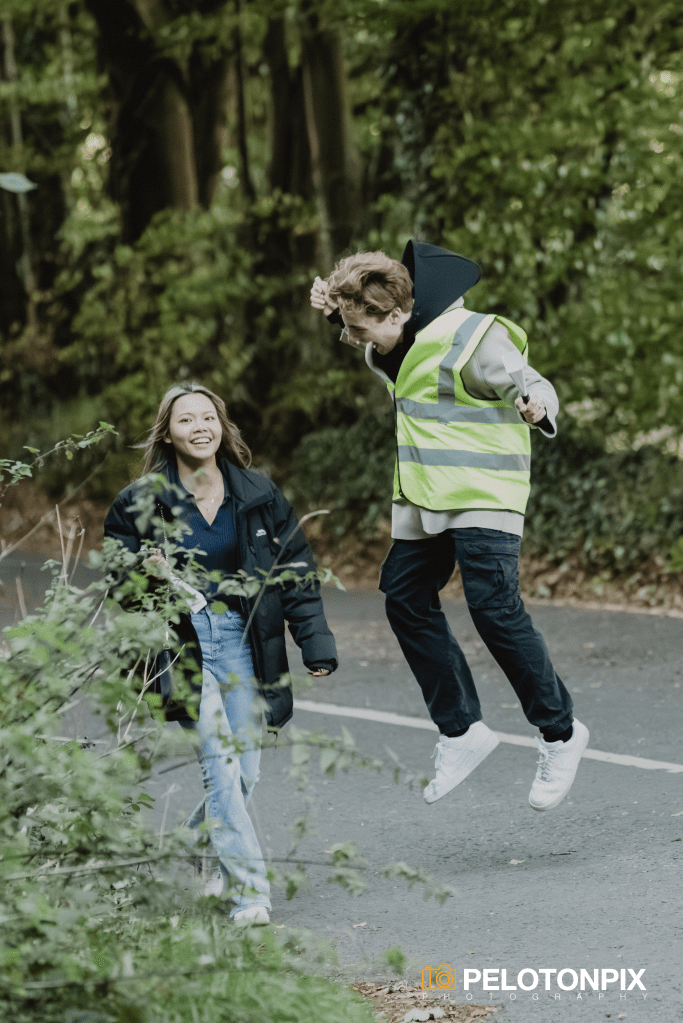

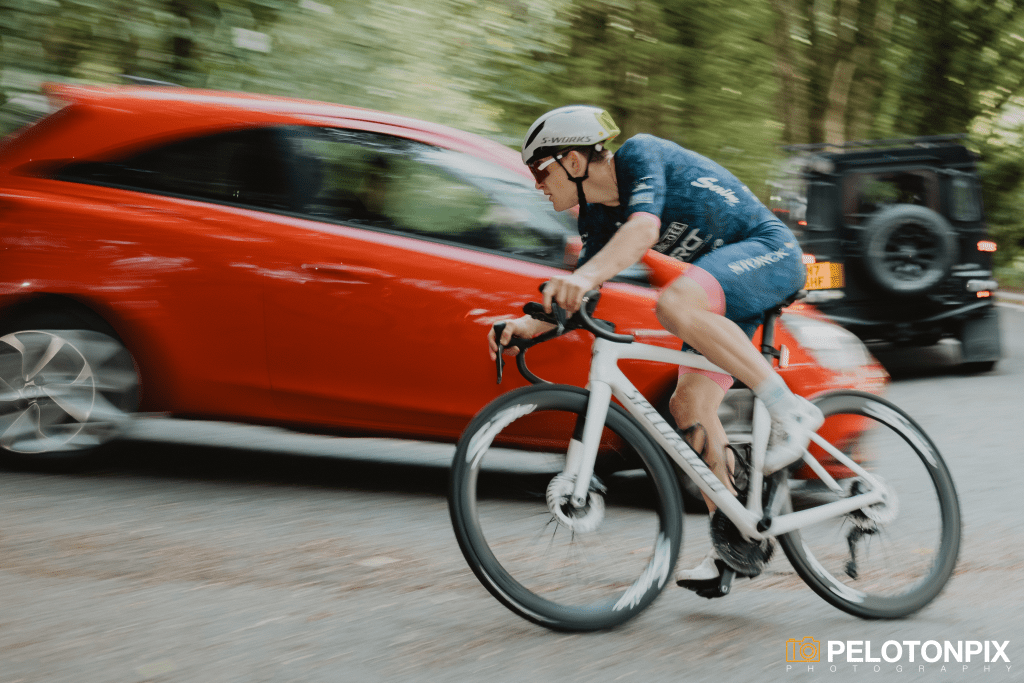
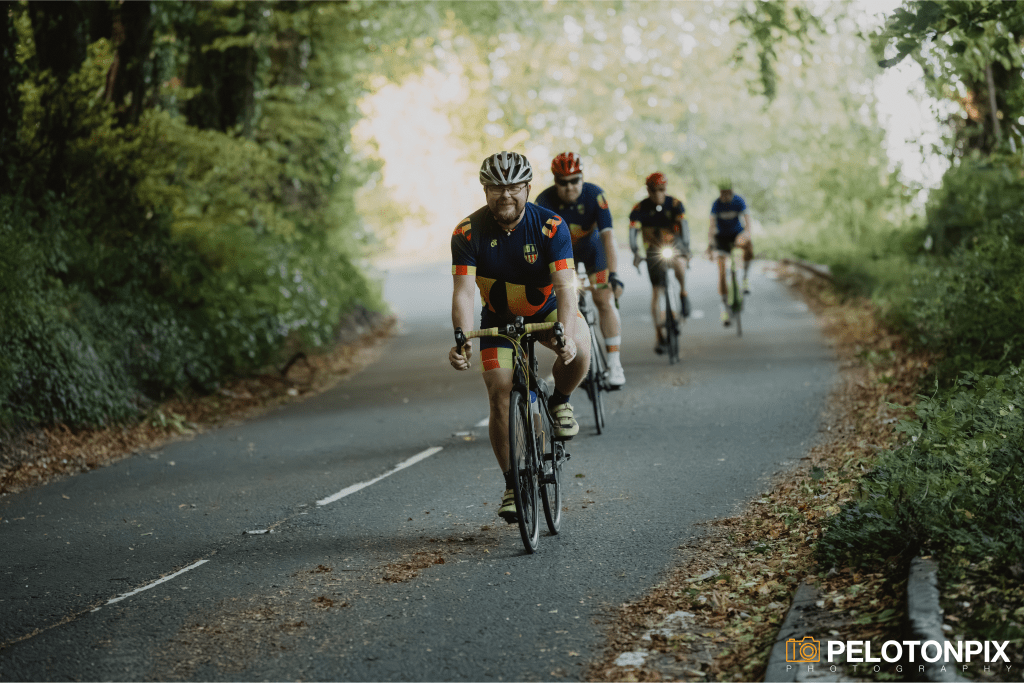
The morning seemed to blur by. One moment I was collecting donations; the next, I was coaxing an old coffee machine into life and serving slightly dubious cappuccinos to riders and supporters alike – with plenty of brownies and flapjacks to sweeten the deal. Stationed at HQ, I didn’t see much of the racing itself, but I did get to meet the full spectrum of participants: first-time hill-climbers nervously counting down to their start slots, club riders turning up in cheerful groups for a morning out with their mates, and seasoned amateur-pros chasing both the win and the atmosphere. For a relatively small event like this one, every volunteer and spectator truly makes a difference. The small tasks feel meaningful when the day depends on kind-hearted people pitching in wherever they can. And for a non-cyclist like me, it was rewarding to see that my contribution actually mattered — proof that you don’t need an encyclopaedic knowledge of gear ratios or power data to get involved. (The timekeeping, however, is probably best left to the professionals).
Cycling, at its best, is a wonderfully open sport to support. You can stand by the roadside with a coffee in hand and feel part of something much bigger, a shared effort between riders, organisers, and spectators. And right now, it needs that support more than ever. With fewer events on the calendar and tighter funding, British cycling depends not only on the athletes who race but also on the volunteers who marshal, time-keep, and keep the wheels turning behind the scenes. Hill climbs like ZigZag are surviving, and even thriving, not because of institutions, but because of people. They remind us that “grassroots” doesn’t mean amateur; it means community-driven. It’s where the sport feels most alive: intimate, authentic, and full of character. Compared to the polished world of UCI races, there’s something refreshingly personal about watching riders push themselves to the limit up a quiet country lane while locals ring cowbells and cheer them on by name.

Why It Matters
ZigZag didn’t feel complete because of its budget or scale — it felt complete because people cared. Every element, from the riders grinding up the hill to the volunteers pouring coffee, was part of a shared effort to create something that mattered. It’s easy to think you have to be a racer to belong in cycling, but you don’t. The sport thrives on those who show up, the people handing out numbers, ringing cowbells, taking photos, or just cheering from the roadside. Events like this remind you that your presence alone helps keep the spirit of racing alive.
So, if you’ve ever thought about helping at a local event, do it. You might be surprised by how rewarding it feels to be part of the energy, even from behind the coffee counter.


 Life of Becky