Welcome back to part two of my travel highlights roundup. After focusing on Chile and Argentina in my first post, here are some recommendations from Peru, Bolivia and Colombia. These destinations offered some of the most vibrant cultures, breathtaking landscapes, and memorable adventures of my journey—let’s dive in!
6. Mancora
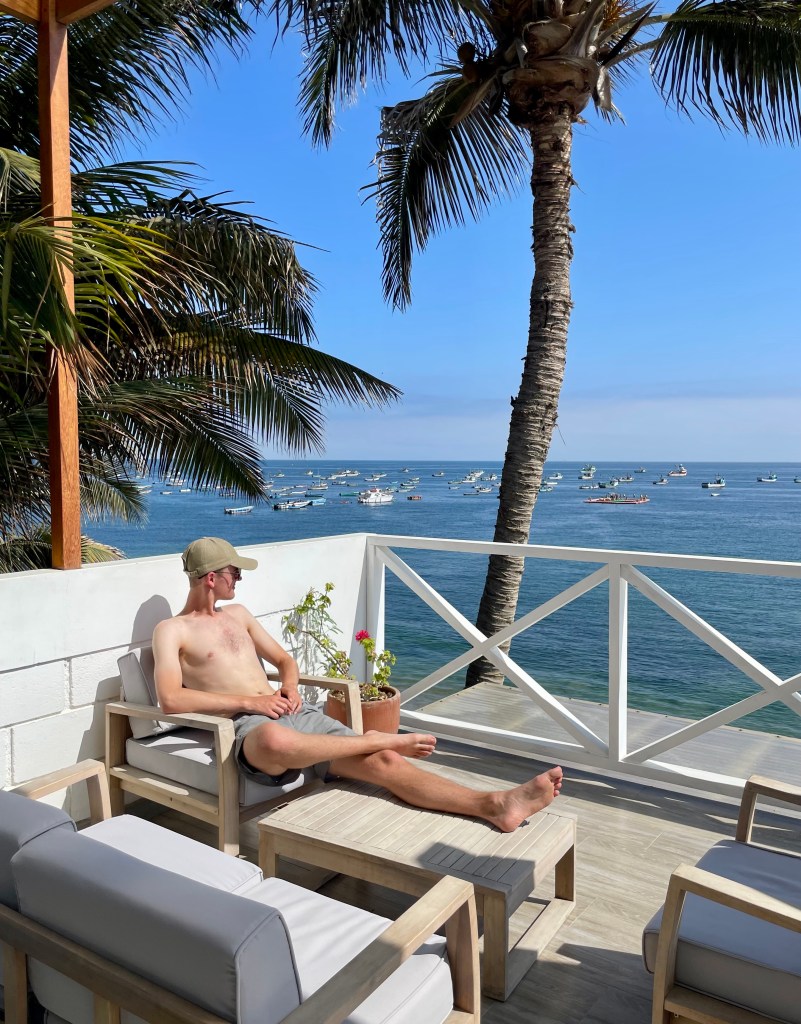
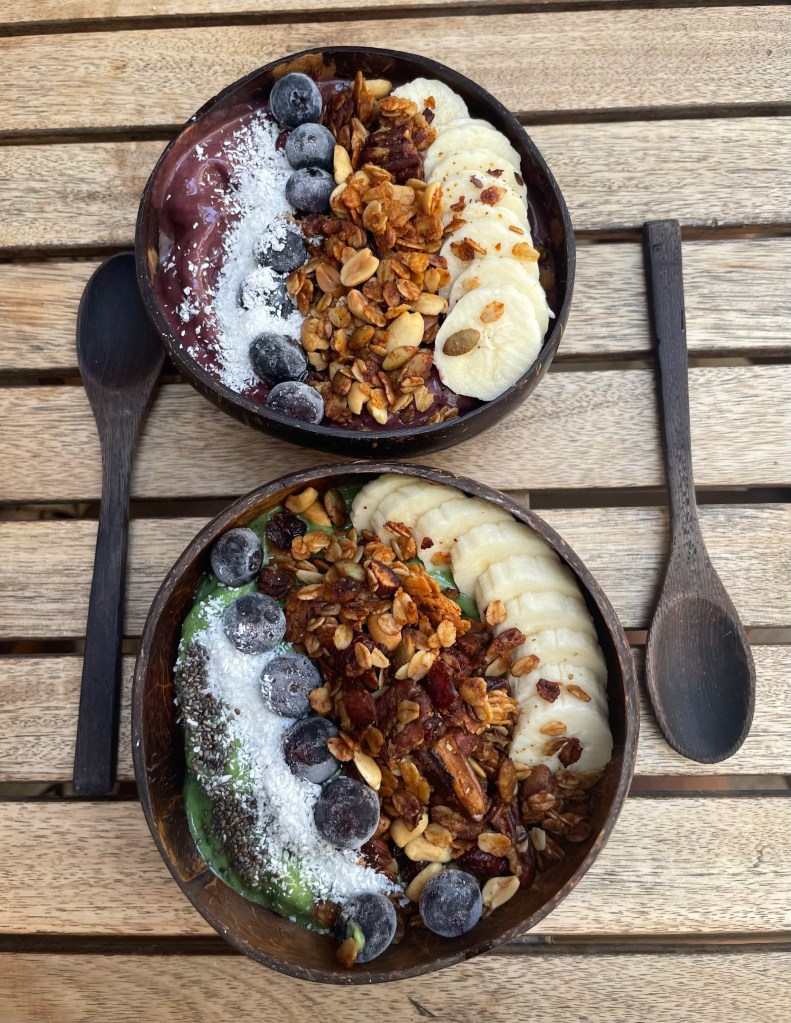
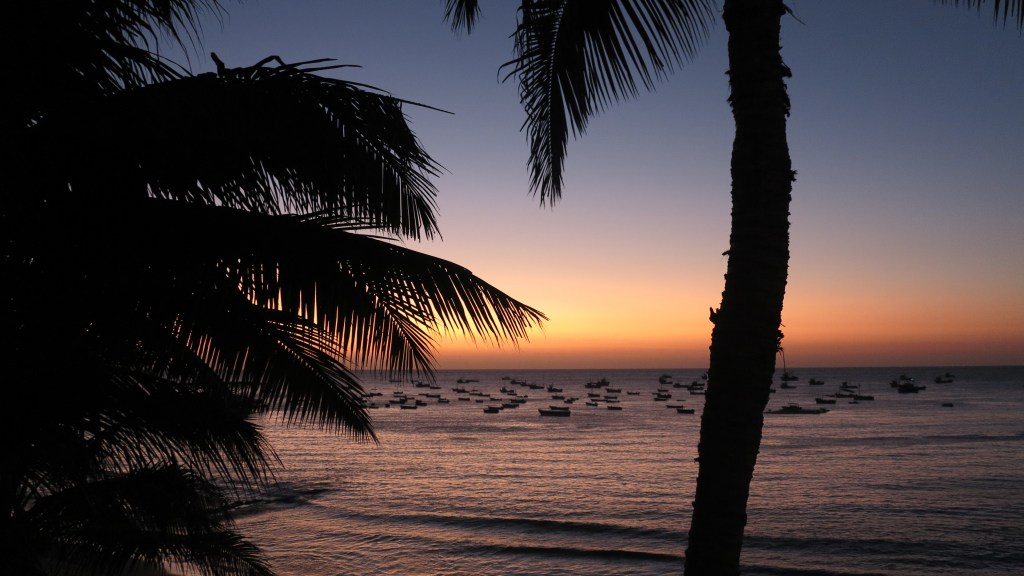
Mancora is a coastal town located on the northwest coast of Peru. Mancora has an abundance of white sandy beaches with crystal clear water and has a touristy, hipster vibe that is fuelled by smoothie bowls and cocktails. We ended up staying a week here – the longest we had stayed anywhere in our trip up to that point. We spent our days waking up late, going for morning swims, reading, relaxing and eating. It felt like a holiday from our holiday! We also found a couple of nice cafes and restaurants that did good vegan food, so that is always a big bonus. I would recommend buying or renting a snorkel mask, as there are lots of cool fishes and sea life that is super easy to explore due the clear waters. Jack even saw a turtle! There are also plenty of beach-front hostels including the popular chain, Selina. We opted to stay in an Airbnb and were lucky to find a beautiful apartment that we got at a hugely discounted price, which was a lovely surprise. If you are not a huge beach person, then Mancora might not be the place for you – but even Jack and I (who are big adventure outdoorsy people) loved our time here.
7. Cusco
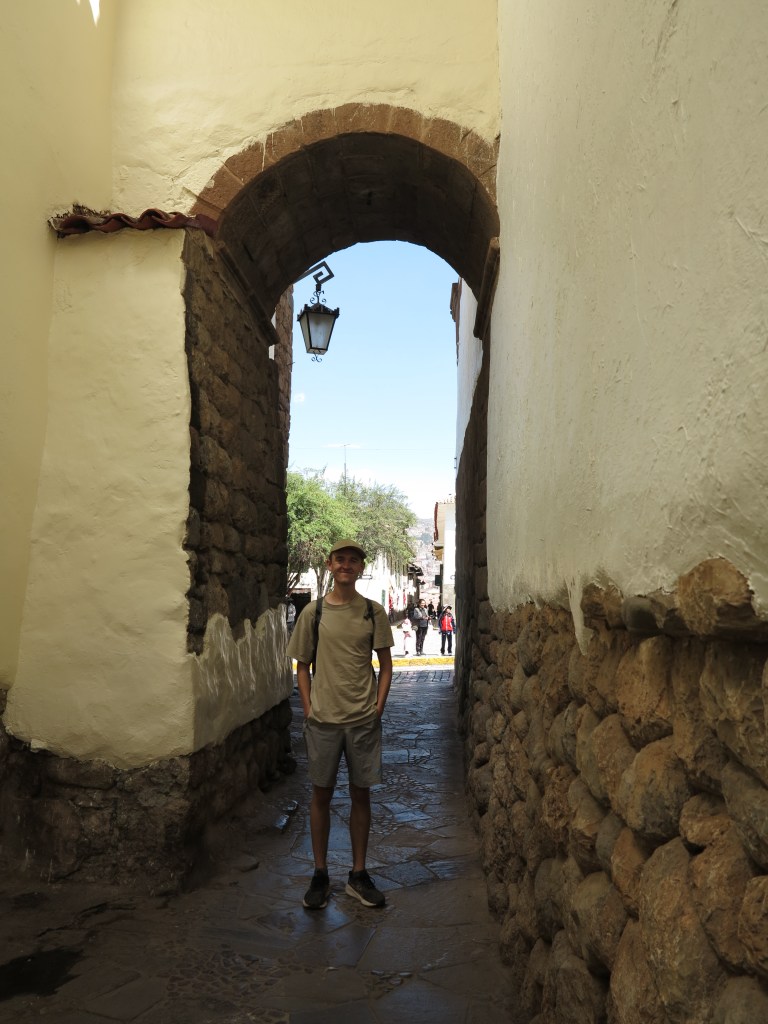
A lot of people travelling South America have heard of or have visited Cusco. It is the biggest tourist hub in Peru – and with good reason. The city itself is great fun to explore, with cobbled streets, lots of street sellers, a beautiful plaza and lots of great places to eat. We had our best food of our whole trip here at a place called Green Point, a fully plant-based restaurant, but loved by all who visit. But Cusco’s main advantage is its location. It is handily situated near to a vast variety of interesting historic places, namely Machu Picchu. We purchased a ‘Boleto Turistico’, which is a tourist ticket that grants you access for a fixed fee to several ruins and tourist sites. There are different combinations of tickets to suit your preference, but we opted for the complete ticket, which gave us access to the following places:
- Cusco Ruins | Saqsayhuamán, Q’enqo, Puka pukara, Tambomachay
- Cusco Museums + Monuments | Contemporary Art, Museo Historical Regional, Monumento Pachacuteq, Tipon, Museo de Quoricancha, Museo de Arte Popular, Centro Quosqo de Arte Nativo. Pikillaqta
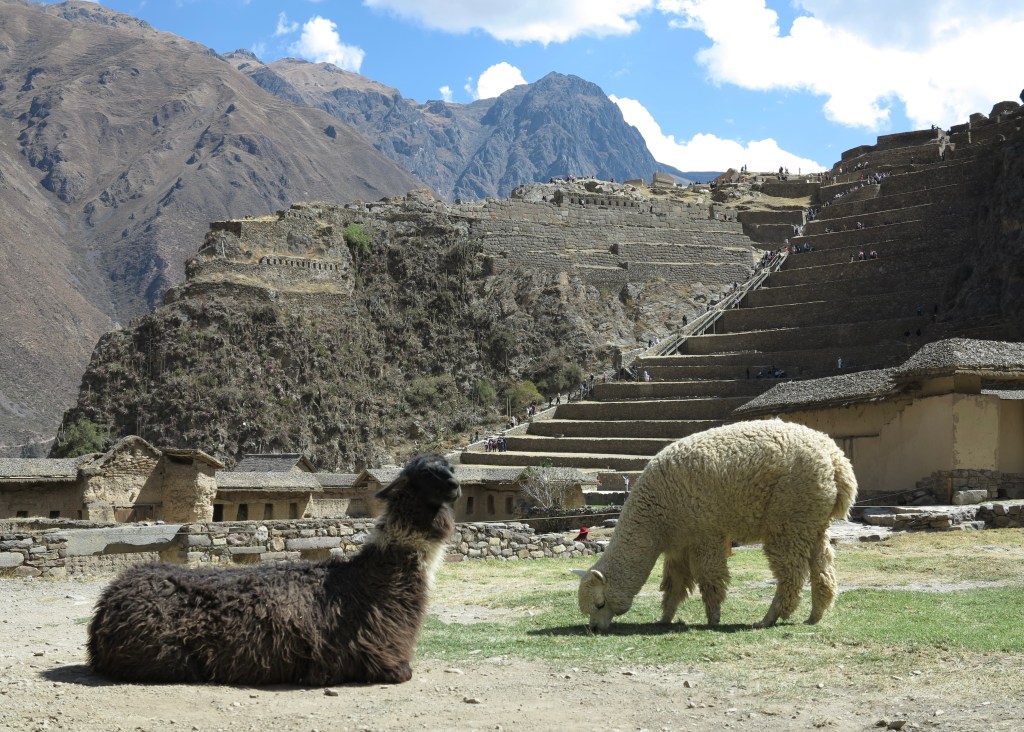
- Sacred Valley Ruins | Pisac, Ollantaytambo, Chinchero, Moray.
https://www.alongdustyroads.com/posts/boleto-turistico-cusco (Along Dusty Roads has a great blog post explaining in further detail how and where to buy the ticket).
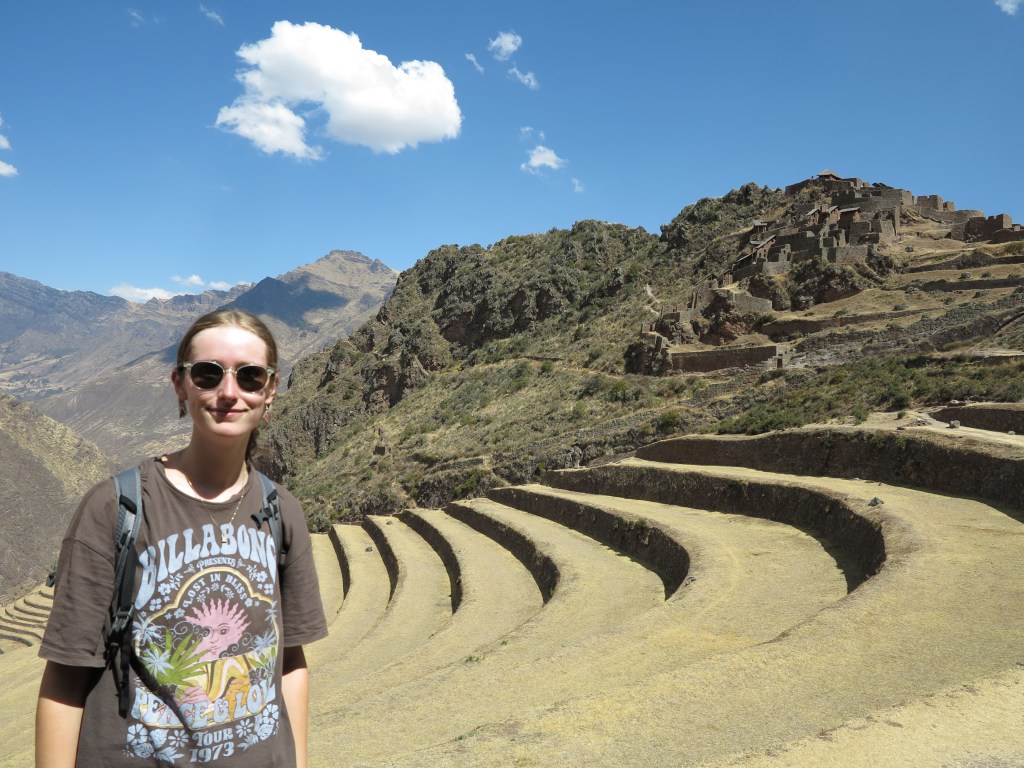
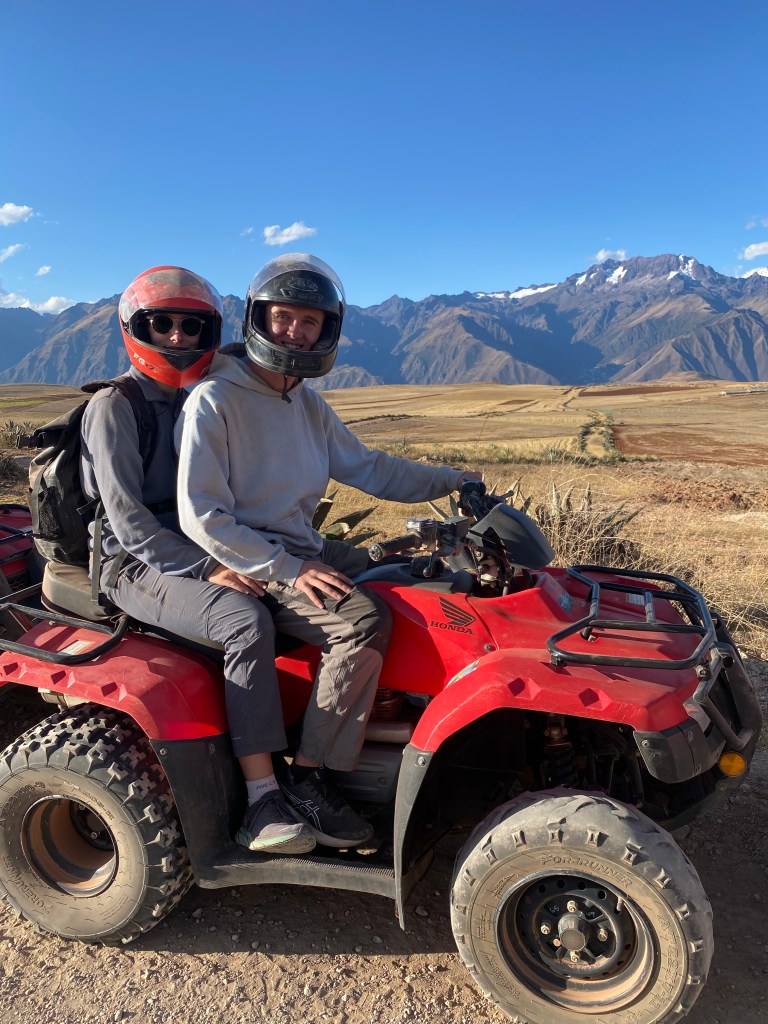
Our favourite sites were Pisac, Ollantaytambo, Moray, and Saqsayhuamán. It is worth noting that whilst each place is interesting, once you have visited a couple of Inca ruins, they do all tend to look a little similar! However, we incorporated a day hike to visit the Pisac ruins and booked a quad bike tour to visit both Ollantaytambo and the Moray salt mines. So, if simply visiting some ruins (although worth it) sounds a little boring, there are ways to combine it with some more adventure.
We ended up staying around two weeks in Cusco, first exploring the city and sites around it, and secondly as a place to stay after completing the Salkantay trek and visiting Machu Picchu. If you don’t have much time to visit Peru, I would put Cusco high up on your list of places to go.




8. Machu Picchu and the Salkantay Trek
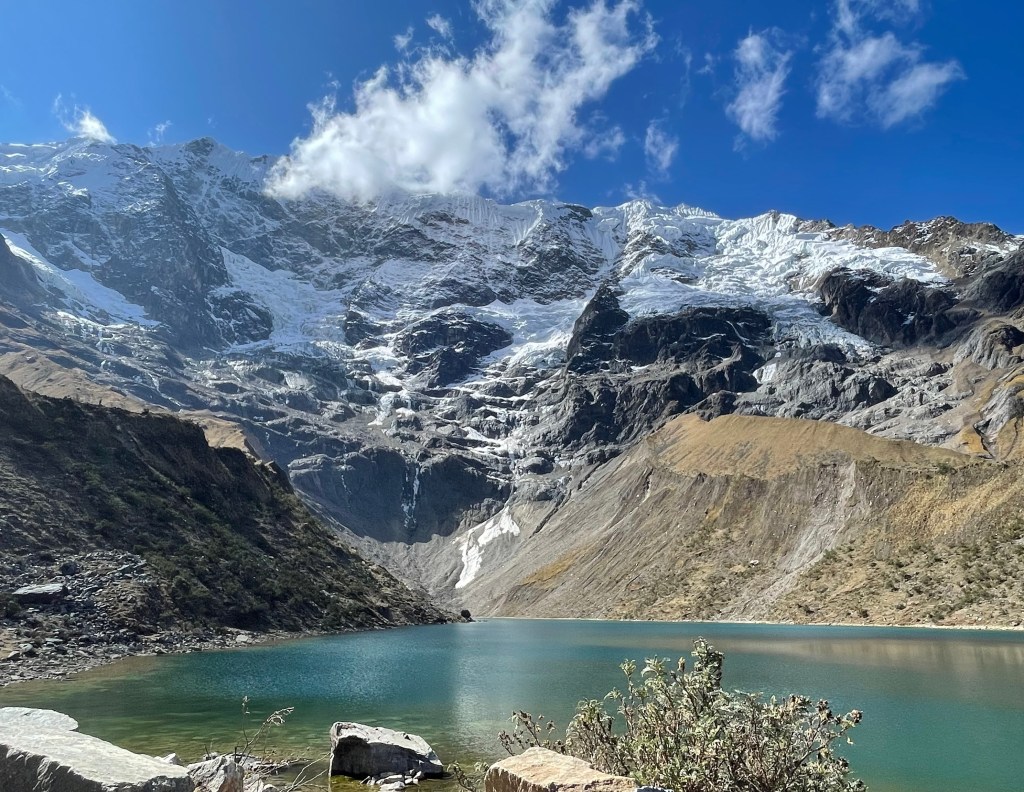
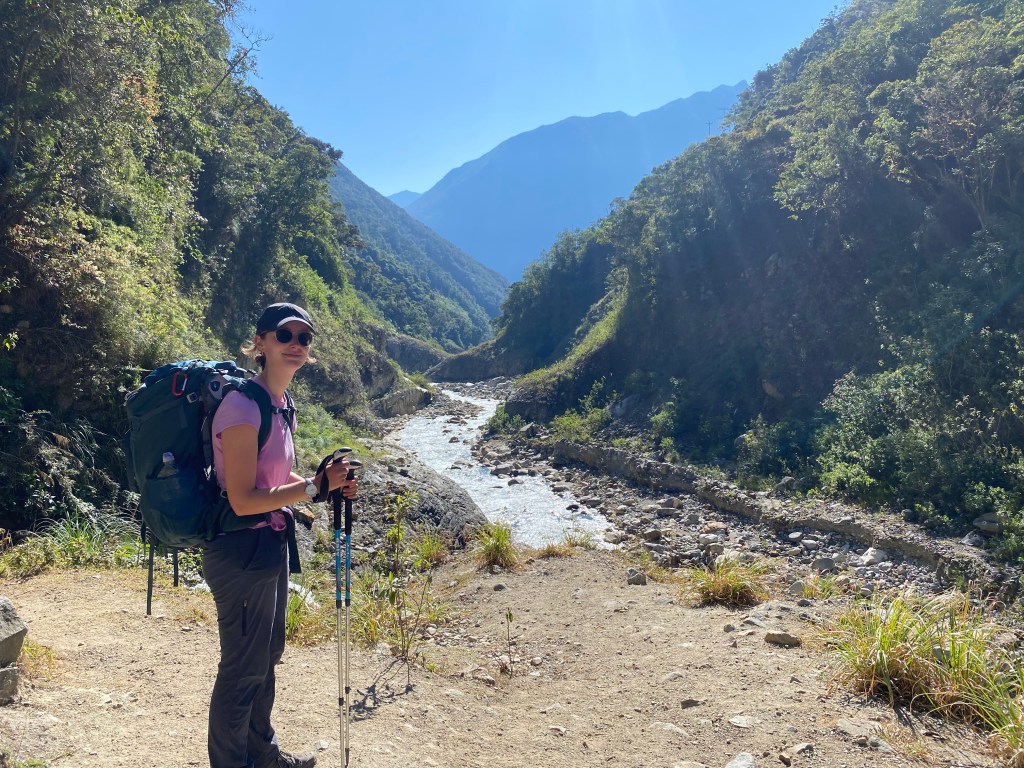
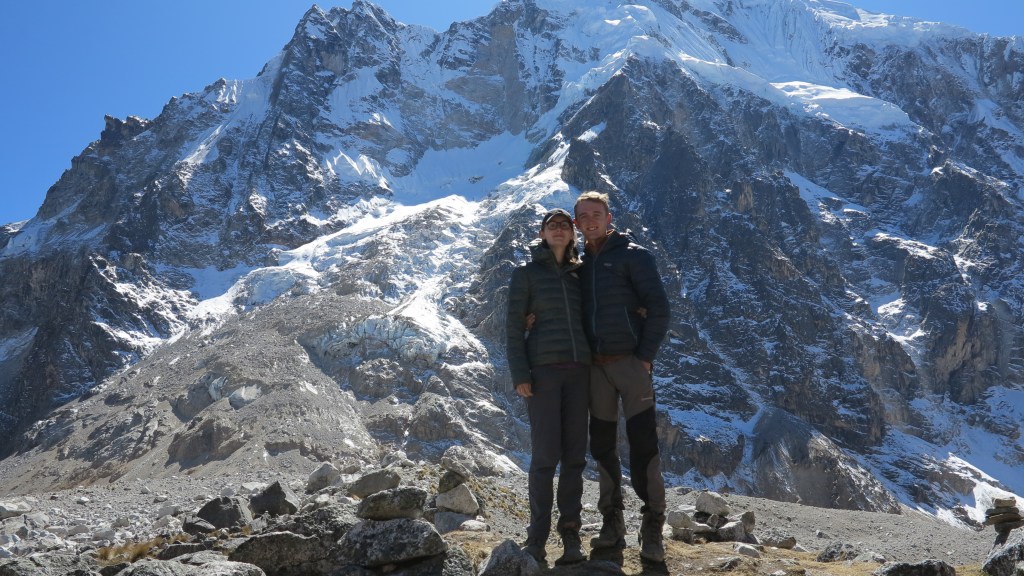
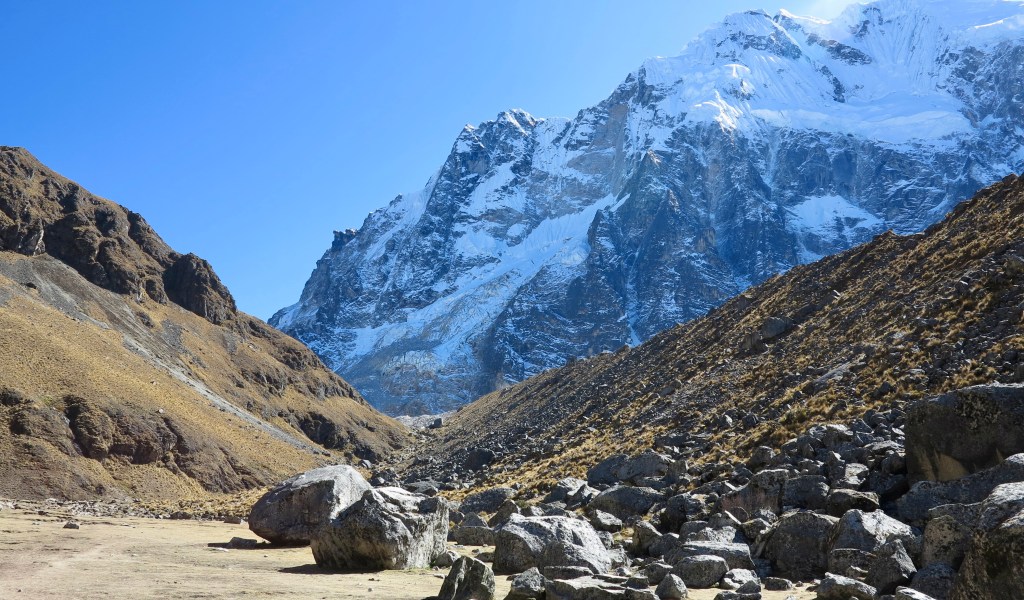
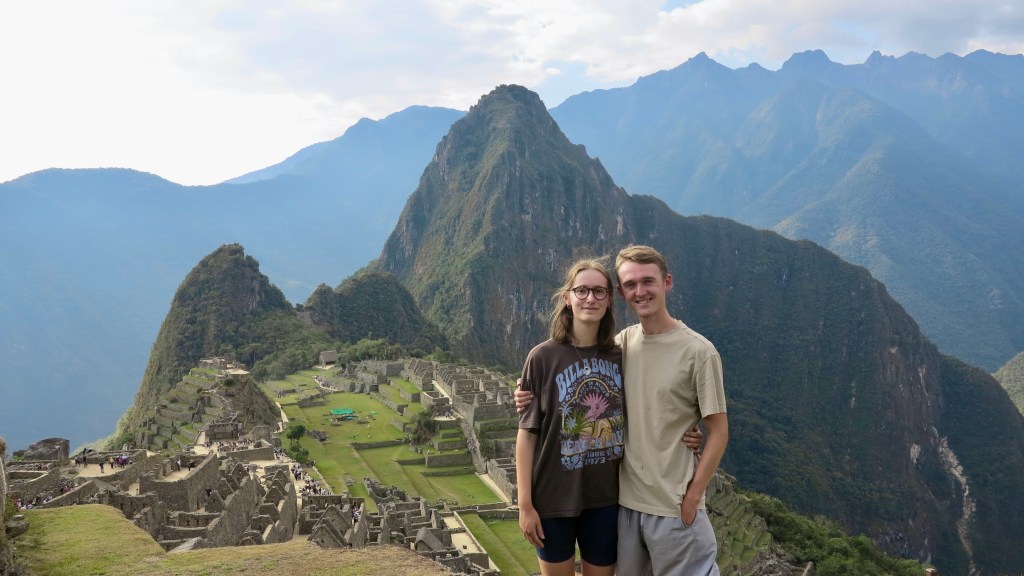
It wouldn’t be a list of top places in South America without mentioning Machu Picchu. It is one of the seven wonders of the world and deservedly so. We got lucky with our tickets, as we had left it a little late booking… We booked our tickets about two weeks before our entry and then planned to complete the Salkantay Trek to fit around our Machu Picchu date. Although it is possible to queue and hope to buy a ticket in ‘Machu Picchu’ village, we were glad we had prebooked, as the system looked chaotic and a little disorganised – much like a lot of things in South America! Both the Salkantay trek and Machu Picchu were amazing, and full of picture-postcard views. We decided to complete the trek self-guided, having only pre-booked accommodation. It was definitely the best decision for us, it gave us much more freedom to walk at our own pace and be free from big groups of people. Plus, it is almost impossible to go the wrong way as there are plenty of signs and people around. We thoroughly enjoyed the trek and surprisingly found it only moderately hard 90% of the time. Perhaps, it was because we were well acclimatised to the altitude before starting, and had also already completed the O trek in Patagonia a few months before. Day four was the trickiest, reaching the high point of the trek at 4,650 metres at the top of the Salkantay Pass. However, one of the hardest aspects was the heat. We went in August that has daily temperatures of 25-30 degrees – which was tough for us Brits! However, the opportunity to visit Machu Picchu at the end was the cherry on top, and a perfect way to end a great week in the Andes. Machu Picchu truly was a ‘pinch me’ moment, and a definite bucket list item. If you get the chance to go, stick with the complicated booking process as it is well worth your time and pennies.
9. The Bolivian Rainforest
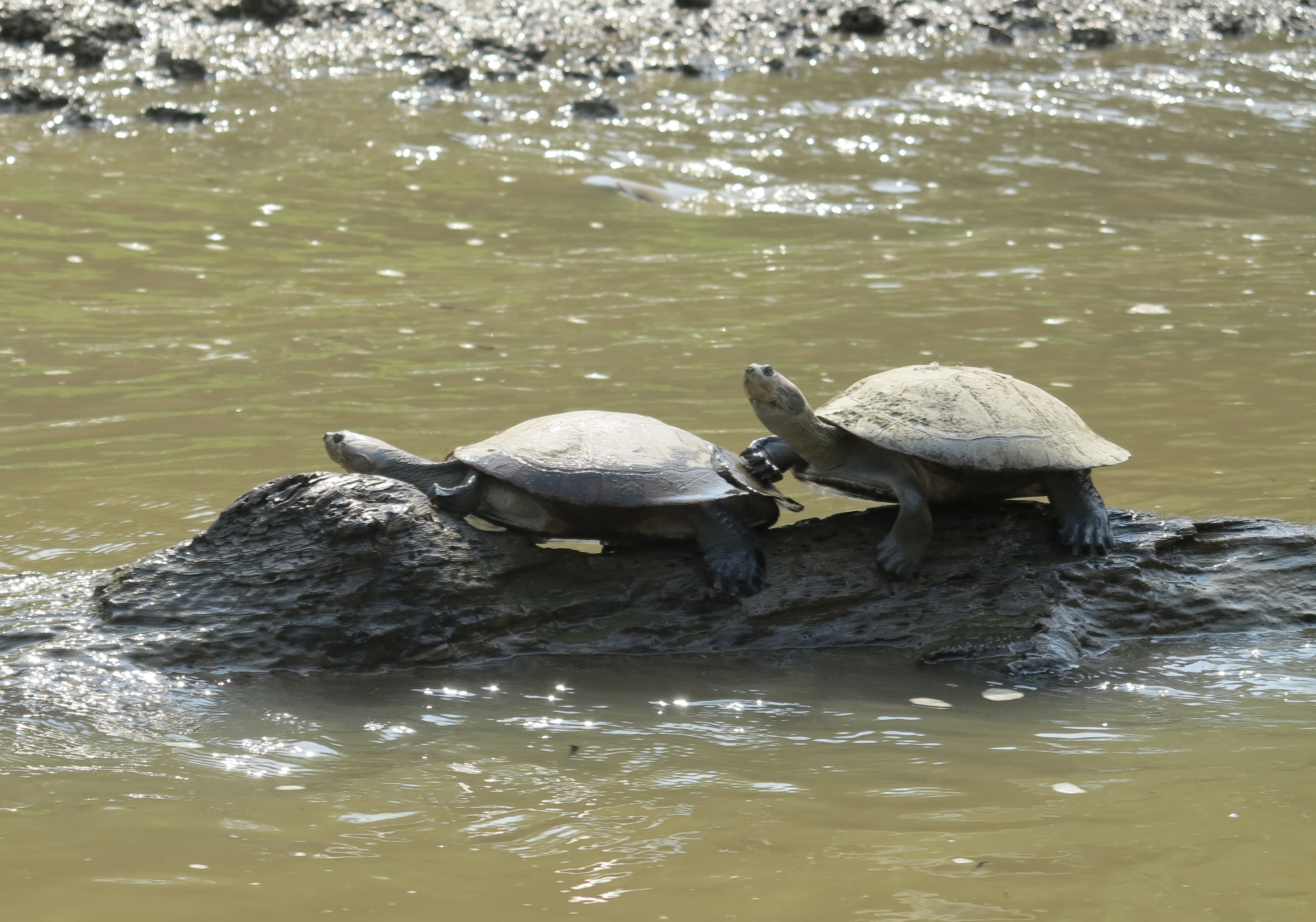
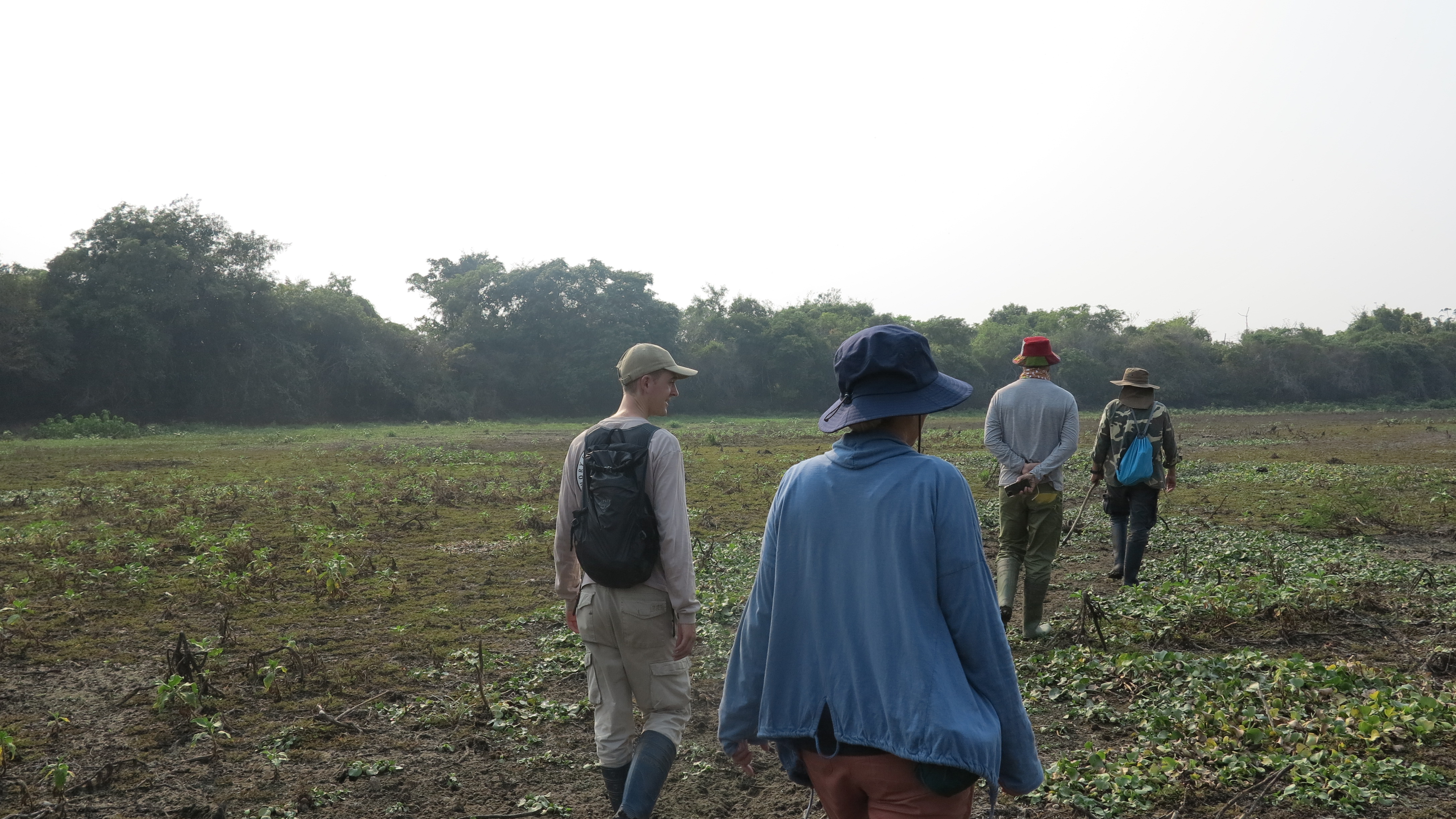
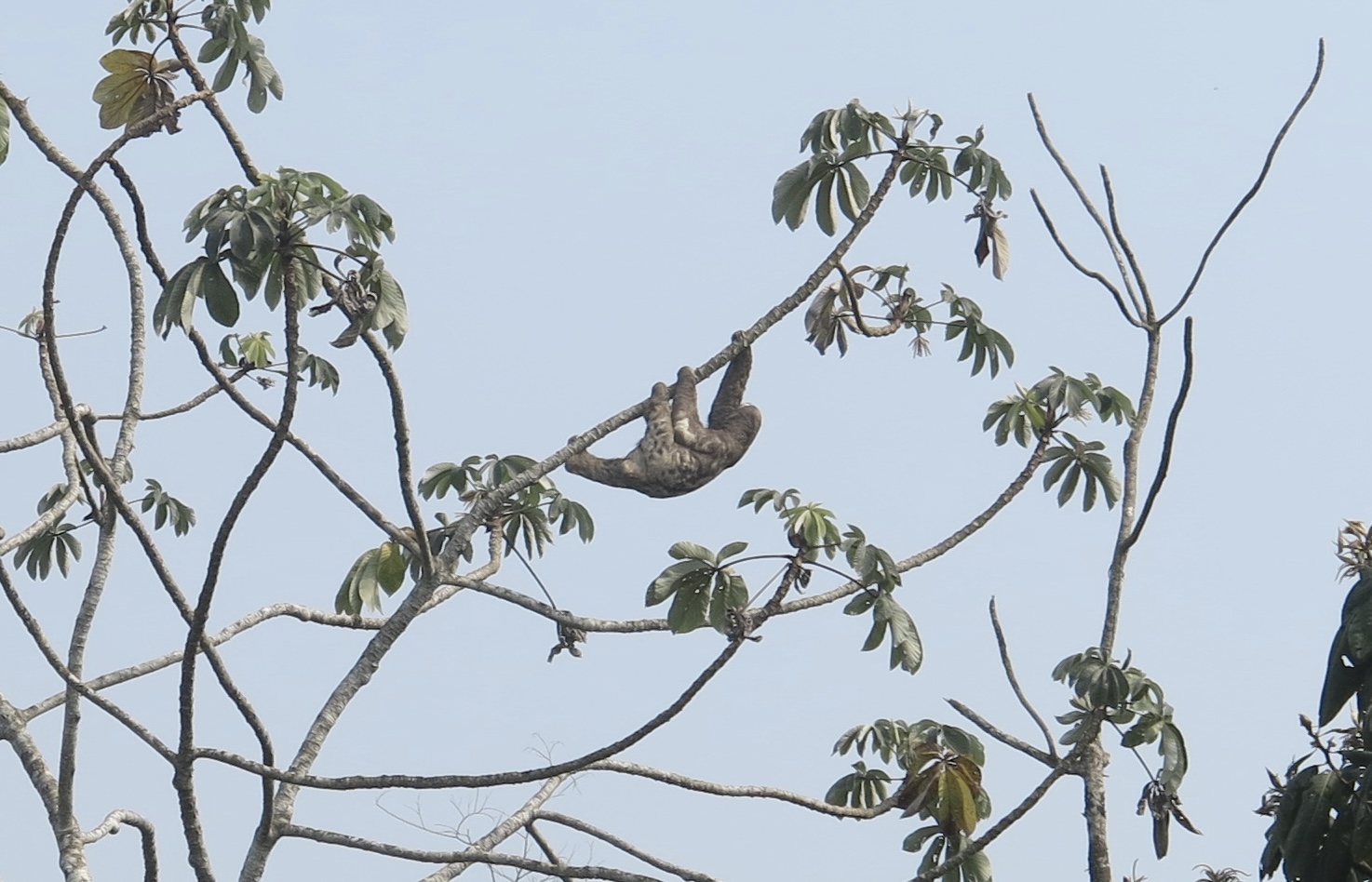
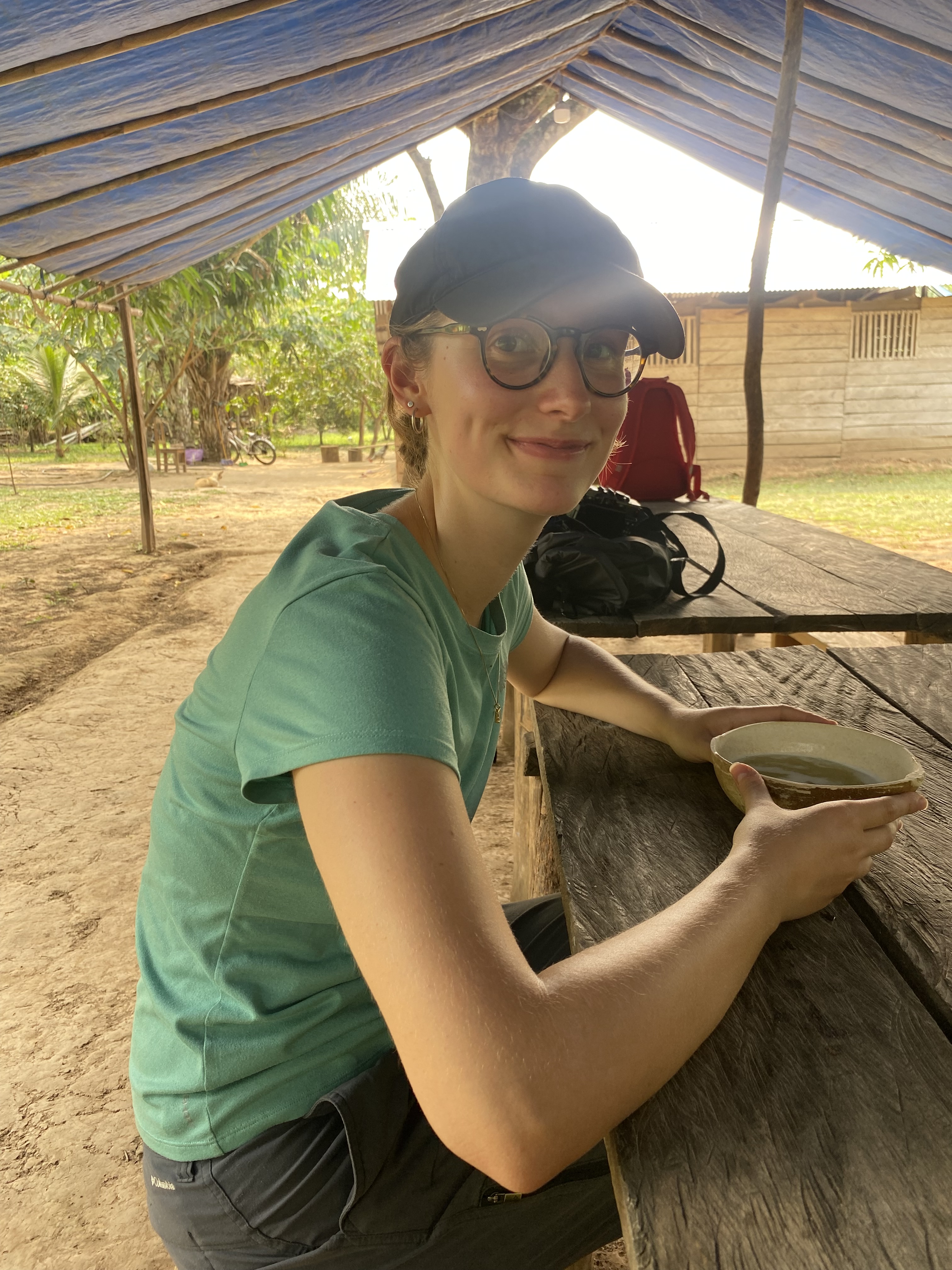
We spent five days in the Bolivian Amazon in August and September and loved every second. We booked our excursion with Dolphins Travel, after researching the best and most sustainable, eco-friendly tour companies. All the guides were fantastic, activities were well-organised and fun, and the chefs cooked great food (catering to our vegan diet). We spent two days in the Pampas – the river network on the edge of the rainforest, and then three days deeper in the rainforest itself. During our trip we saw an abundance of fauna and flora, including a sloth, caimans, capybaras, pink dolphins, toucans, macaws, turtles, monkeys, tarantulas, snakes, ants, and butterflies. Our personal favourites were the spider monkeys and capybaras – who were both full of super playful and cheeky. We also shared our lodge with a family of bats and some frogs in the bathroom, which was a first for me! We went on several boat trips, an excursion in search of anacondas (with no luck), jungle walks through thick, lush vegetation including two nighttime walks, and a visit to an Amazon village where we made a sweet drink from sugarcane. It felt like I was in a real-life geography lesson, admiring and learning as much as possible from the guides about the plants, animals, and life in the Amazon. Our second guide, Renee, had grown up in the one of small villages in the rainforest, and it was so interesting asking him questions about his childhood and subsequently being humbled by the ease and security of our lives back in the UK. So, whilst the rainforest is a beautiful and exciting place to visit and look at, I found the most rewarding way to visit is to really pay attention to the surroundings and interact with the people – that way you can really appreciate the wonder that it is.






10. Colombia’s North Coast
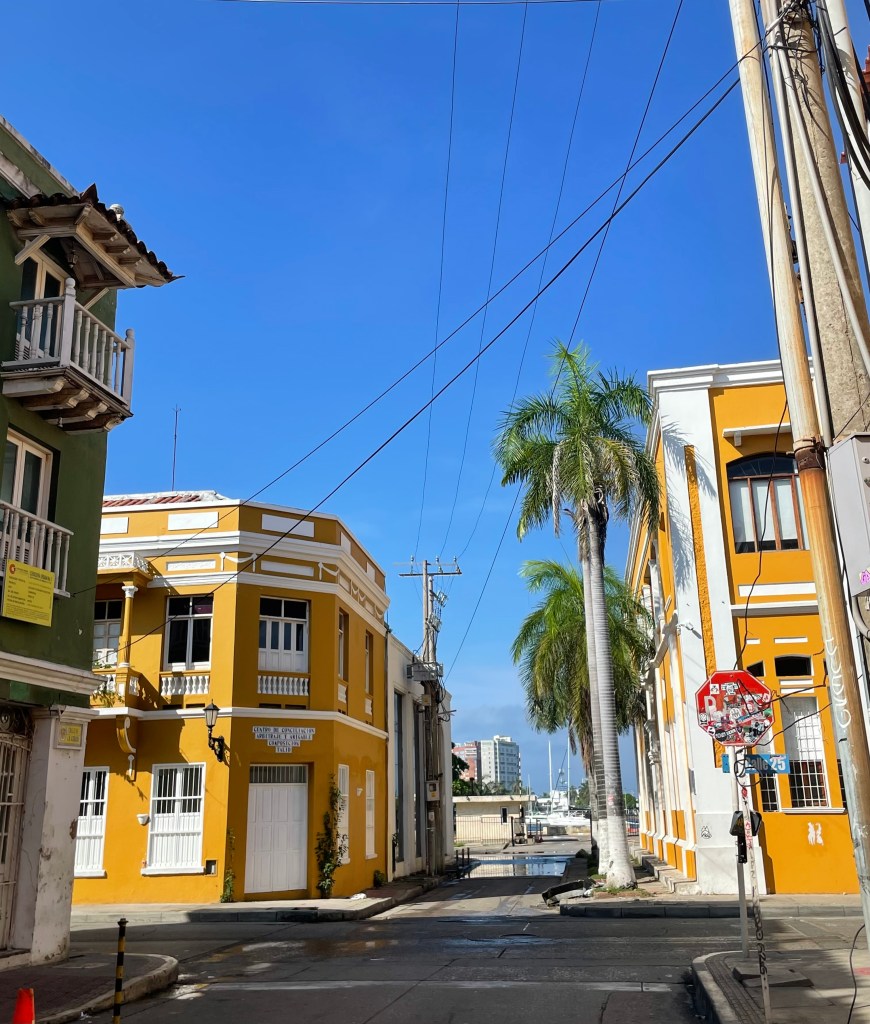
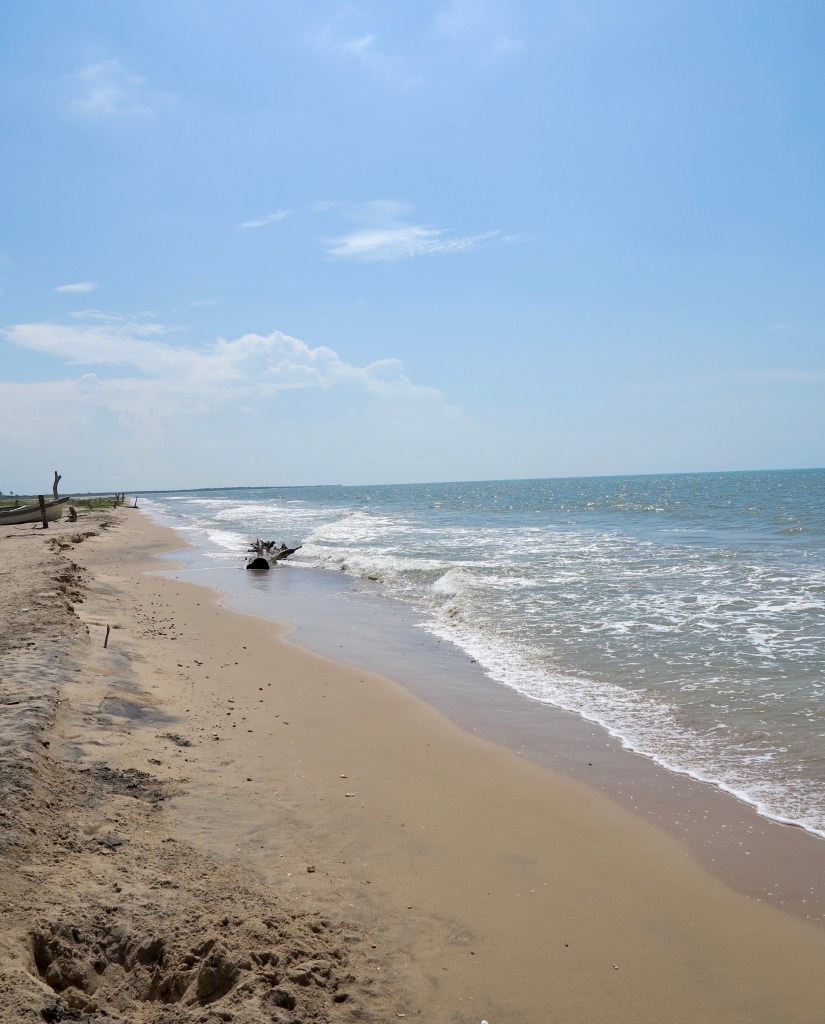
Our final destination on our trip was Colombia. We hadn’t originally planned to visit Colombia, however after nearly six months of travelling, we didn’t quite feel ready to head back home – so we booked a flight to Cartagena on Colombia’s coast, and we were off! Our plan was to work our way east along the north coast, enjoying the sunshine and the Caribbean Sea. We started our two-week trip in Cartagena, a coastal city known for its colonial architecture, beaches, and nightlife. Having arrived from Bolivia, we were struck by the visible difference in architecture, and the everyday life of the local people. Amongst other things, the main difference was wealth. Colombia, and Cartagena in particular, had much better infrastructure than most places in Bolivia, and had a very different overall feel to many of the other places we had visited. We spent three days at a hostel on Isla Grande, a small island off the coast from Cartagena – where we spent our days relaxing, swimming and snorkelling. It was better to spend more time in the water than out, because it was so flipping hot! Daily temperatures didn’t drop below 25 degrees, with highs of mid 30s and a humidity of 80-90%. The day that we took the boat to get to the island was the hottest and sweatiest I think I have ever been! There is nothing fun about having to carry all your luggage through big crowds in thirty-degree heat. The heat aside, the island was beautiful, and the water was beautifully clear – meaning we had some great times swimming around looking at the fish in the shallows.
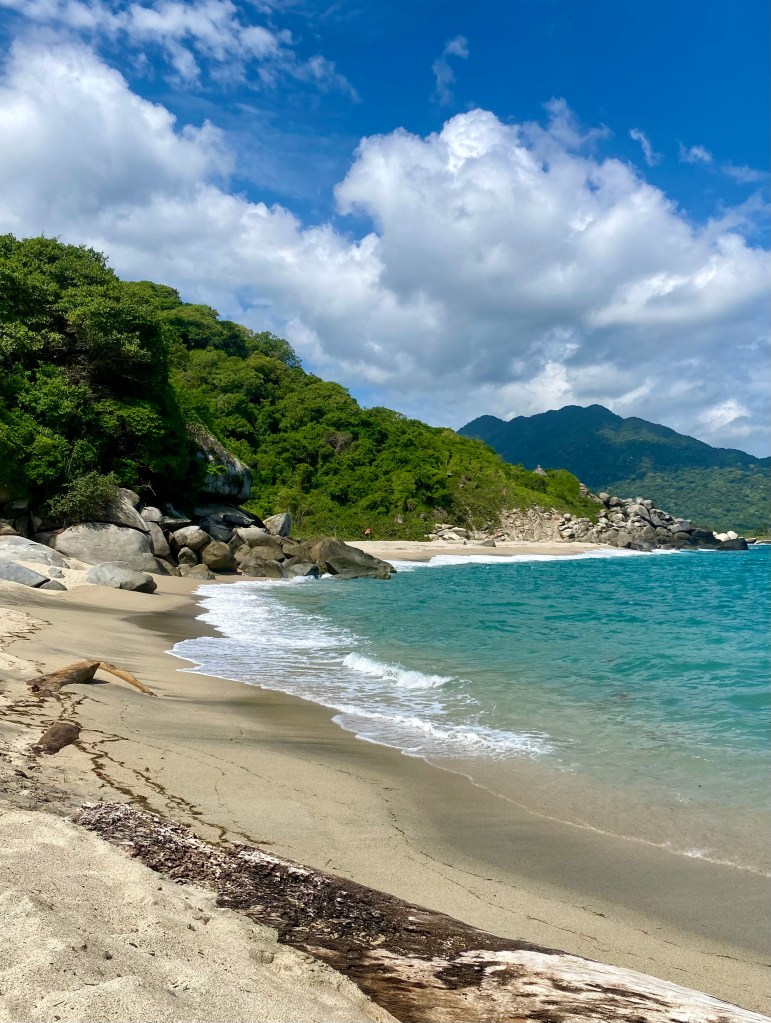
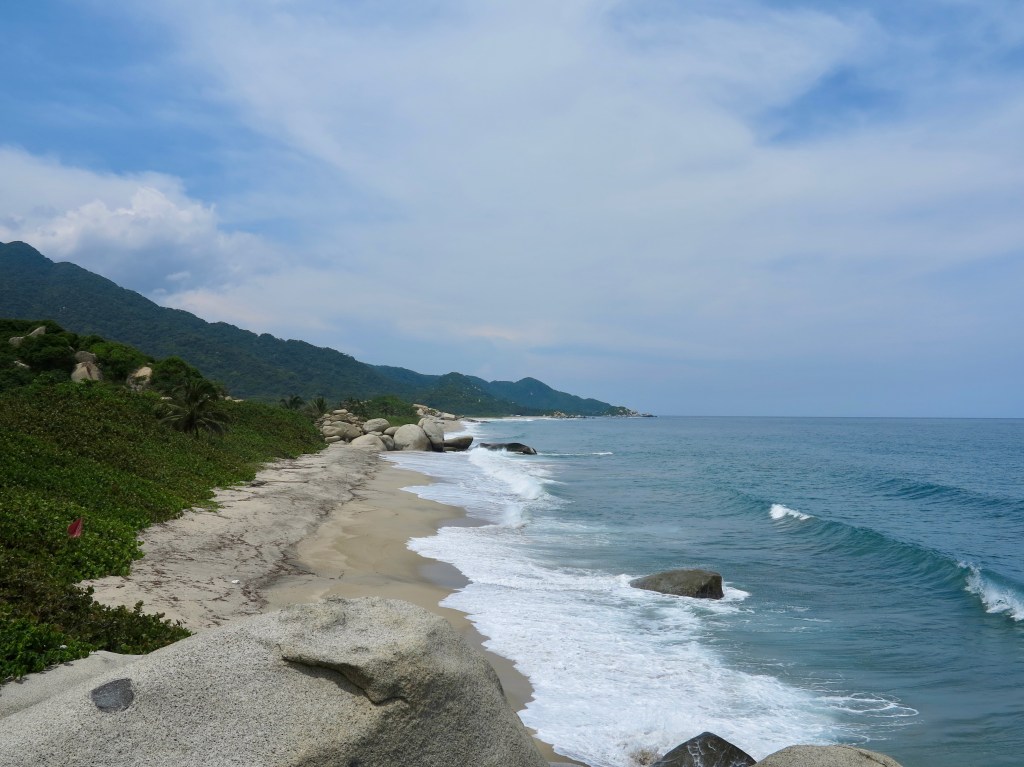
Another notable place along the north coast is Tayrona National Park. It is a popular area for tourists as the park is a mixture of jungle and beach, which makes for stunning landscapes. The only thing I wish we had realised before booking was the long walk to the beaches. Our hostel was a good 40-minute walk from the beginning of the official 2-hour trail to the main beaches – so a lot of our time was spent walking in the humid jungle! If you are planning on visiting, I would recommend spending a little extra to stay somewhere slightly closer to the trail, or if you are feeling fancy, shell out the big bucks to stay at one of the hostels practically on the beach. Our favourite beaches were La Piscina and Cañaveral – both of which we preferred to the more famous Cabo San Juan, which we found a little crowded and over-hyped. Tayrona is definitely a great place to visit if you are aware of the copious amounts of walking and find the right beach.




Annddd there we have it, a complete roundup of my top ten places to visit in South America. There were, of course, many other places that were equally amazing in their own ways, but I hope that this list has given you some ideas and inspiration if you are planning to head to this beautiful part of the world. Happy travelling!

 Life of Becky