I had always known that I wanted to travel and explore the world in my twenties. Despite the cliches of ‘gap yahs’, the idea of exploring somewhere completely foreign, new, and different was exciting. It was a chance to step outside of my comfort zone and experience things that I would talk about in years to come. So, in March 2024, after graduating university the summer before, I left for a six-month backpacking trip to South America with my boyfriend. We had few set plans of where we were going to go, or what we wanted to see, only that we wanted to explore a diverse range of natural landscapes and cultures. The only plan we had made before we left was the eight-day ‘O’ trek in Torres del Paine national park in Patagonia. It was the most incredible start to what became a memorable, and extraordinary seven-month trip.
It is hard to summarise in words the whole experience, there is simply so much I could say. But I wanted to share some highlights, and experiences that I would highly recommend to someone who is thinking of undertaking a similar trip. It is almost impossible for anyone to visit every single place and do every ‘bucket list’ activity – partly because the continent is so vast, diverse, and in places remote, and partly because you wouldn’t have time to relax and take the experiences in. It was important for us to find a balance between the excitement of a fast-paced itinerary and enjoying the benefits of slower travel. So without any more preamble, here are my top five (another five to follow) recommendations of things to do and see in South America.
1. Patagonia, Torres del Paine national park
Patagonia covers a vast area of over 1.9 million km². It is a wild, rugged, and beautiful place that encompasses southern Chile and Argentina, divided by the Andes mountains. It truly is the great outdoors at its best, it has landscapes that range from arid steppes in Argentina to temperate rainforest in Chile. Mount Fitz Roy and Torres del Paine are two of the most iconic and well-known features – both impressive and towering mountain towers foregrounded by small, aqua blue lakes.
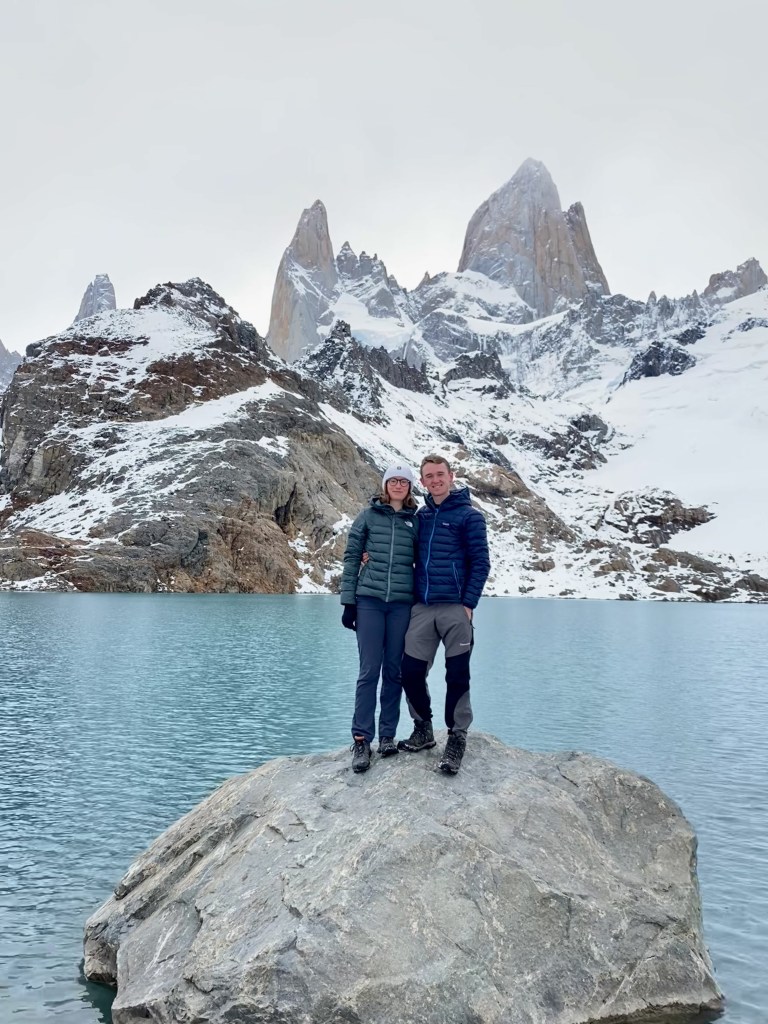
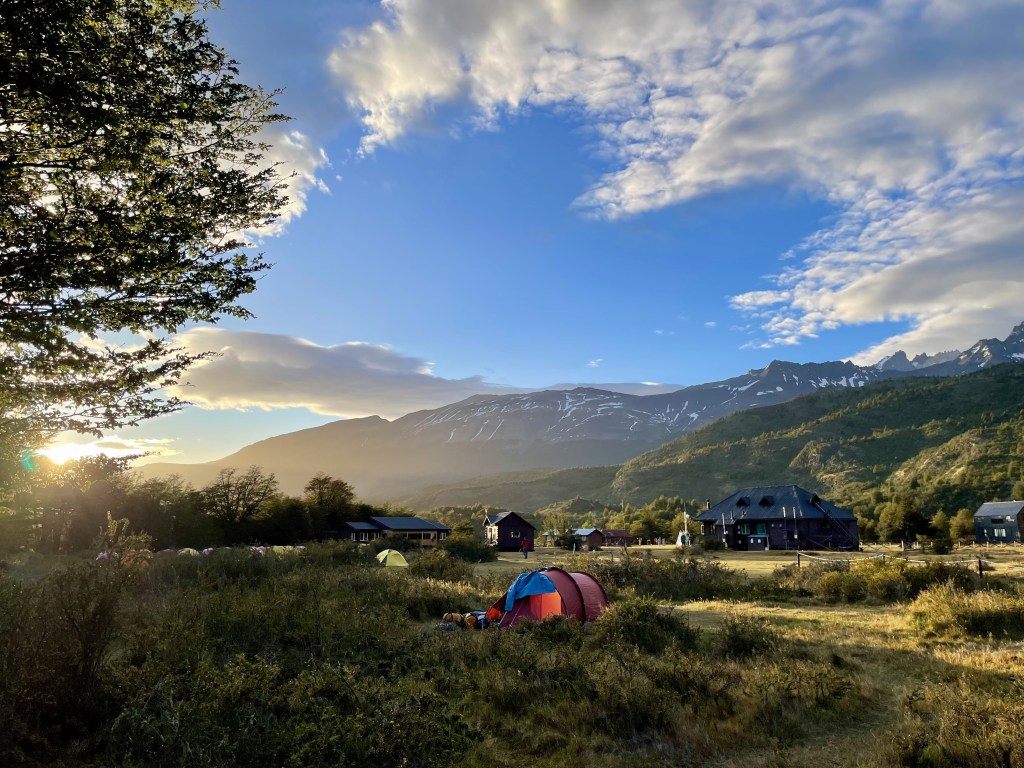
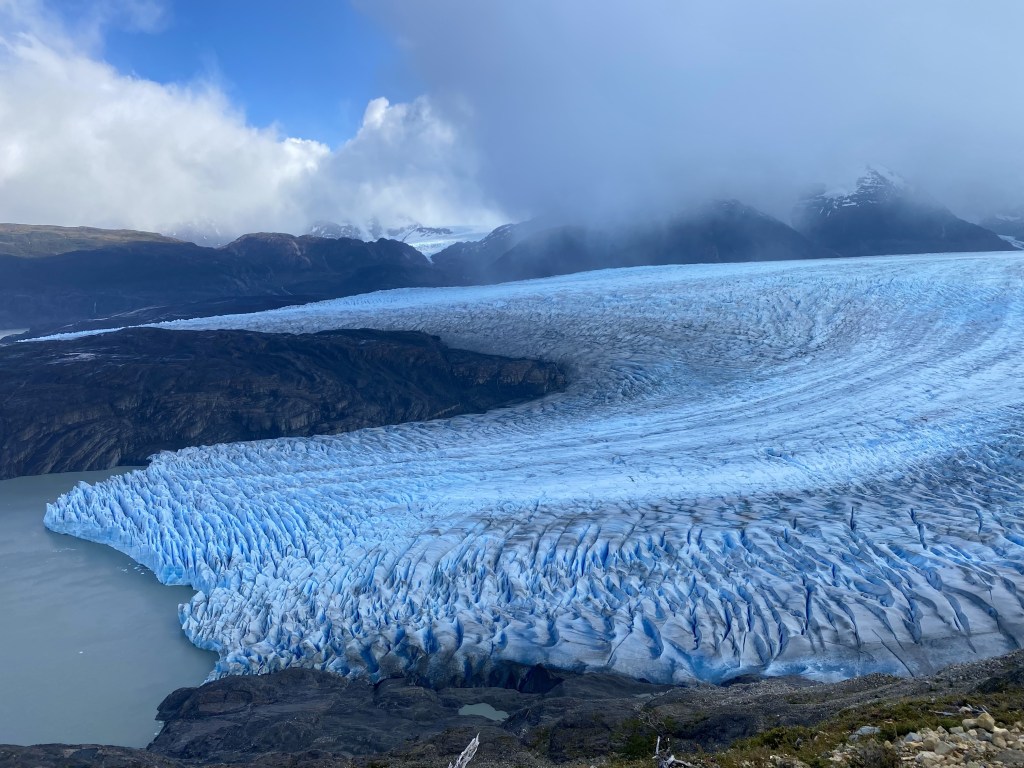
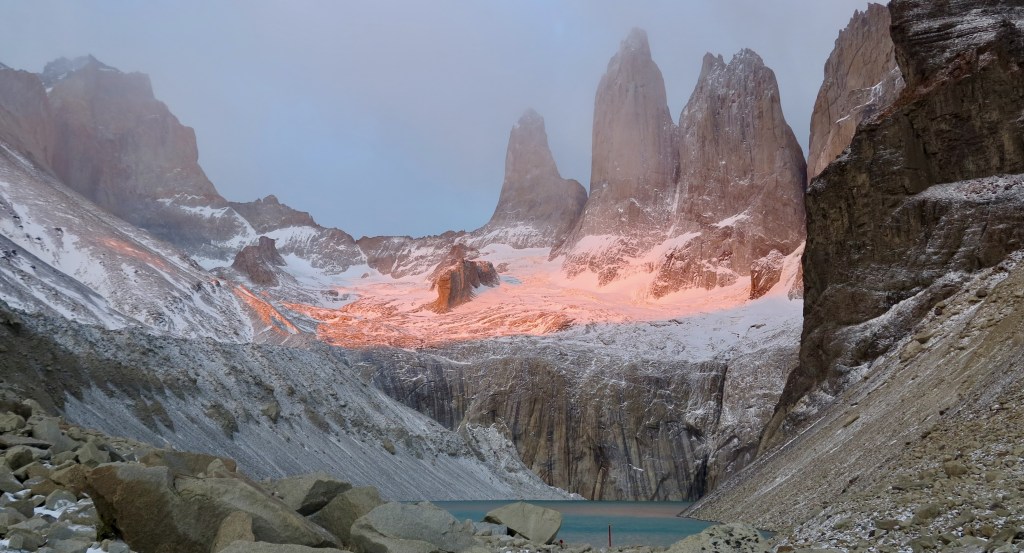
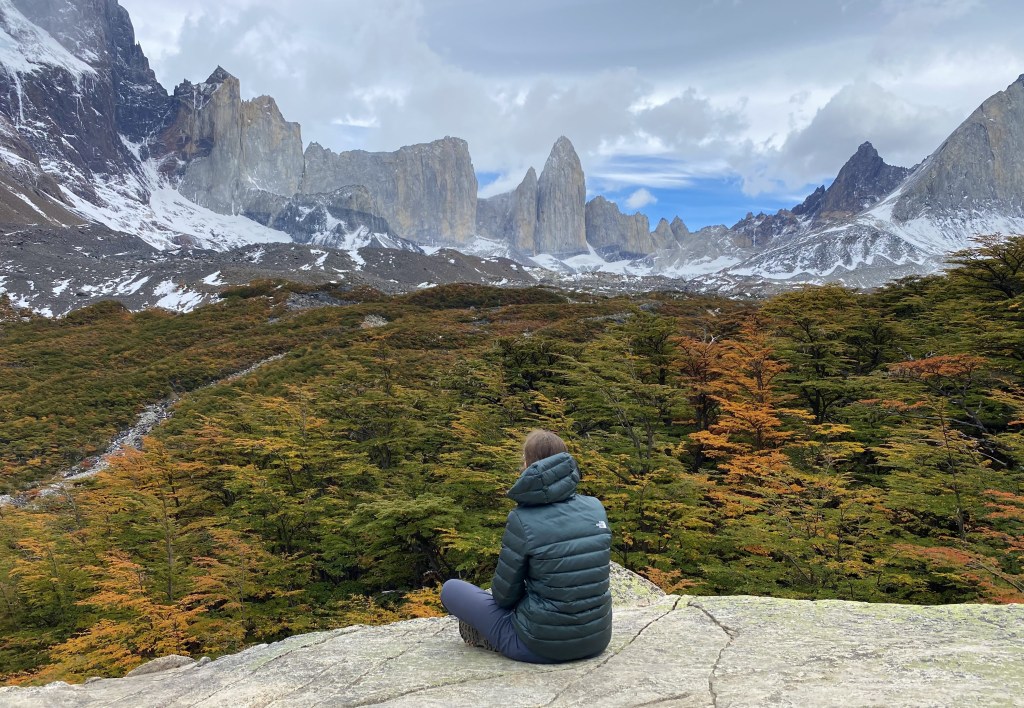
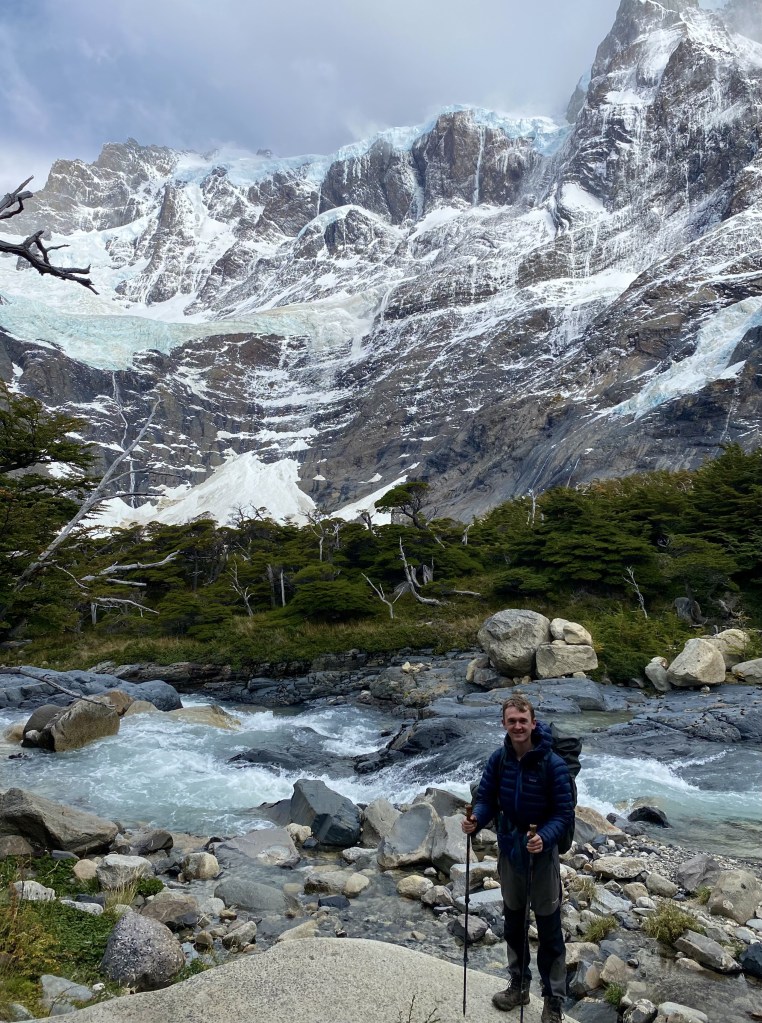
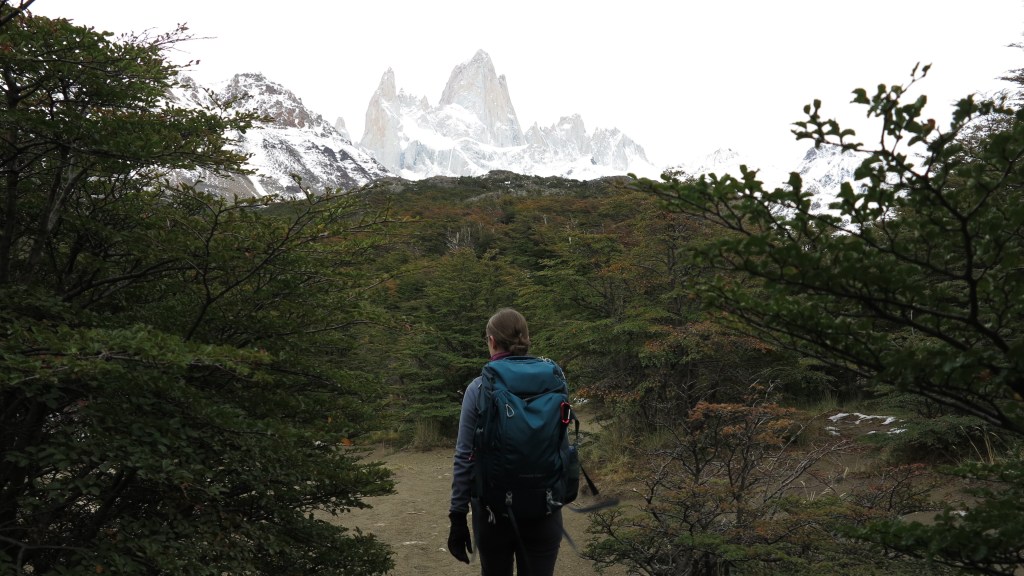
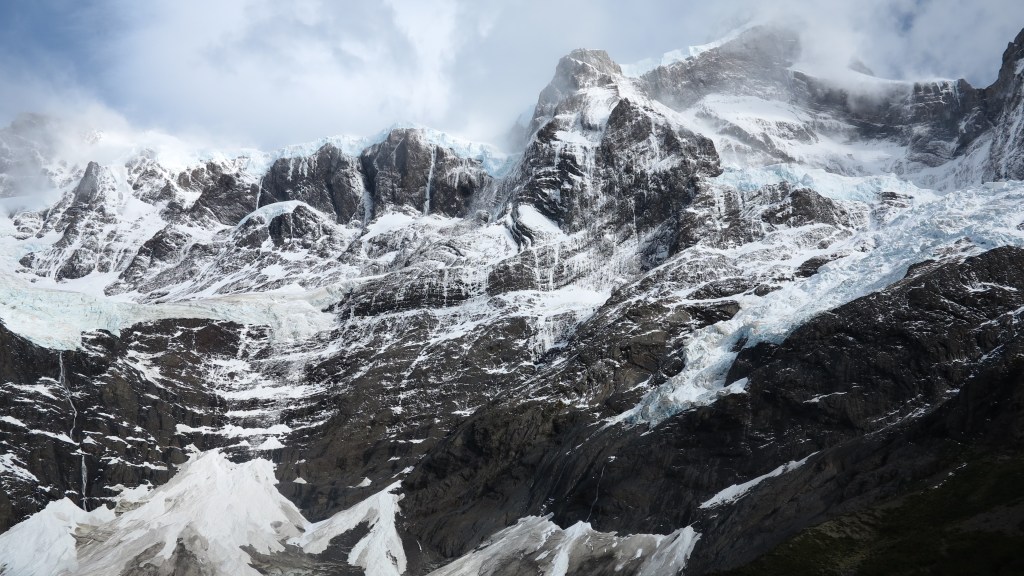
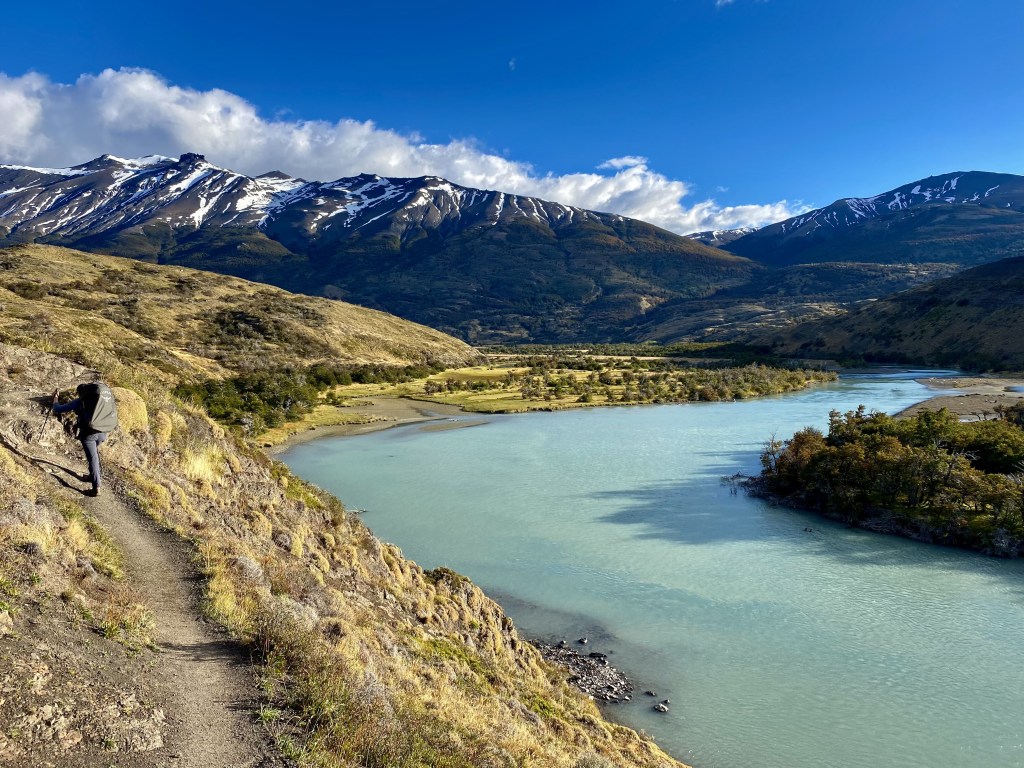
We decided to take on the challenge of completing the eight-day ‘O’ trek in Torres del Paine national park as our first adventure, a circular route that covers 85 miles with plus and minus 5,000m of elevation gain. During eight intense days, we were amazed by the infamous granite towers that give the park its name, the breathtaking Francés valley, the powerful Grey Glacier seen from the John Gardner mountain pass, and endless sweeping views across lakes surrounded by golden, autumnal trees, and vegetation. It was the best possible start to our trip and well worth the pre-planning and expense. We also managed to squeeze a day hike in to Mount Fitz Roy (which we had initially confused with Torres del Paine!), and its snowy peaks did not disappoint. It was equally magnificent and breathtaking. If you only have a few days in Patagonia, although I would highly recommend allowing a good week, both the day hike to Mount Fitz Roy and Torres del Paine are a must see.
2. Buying a campervan
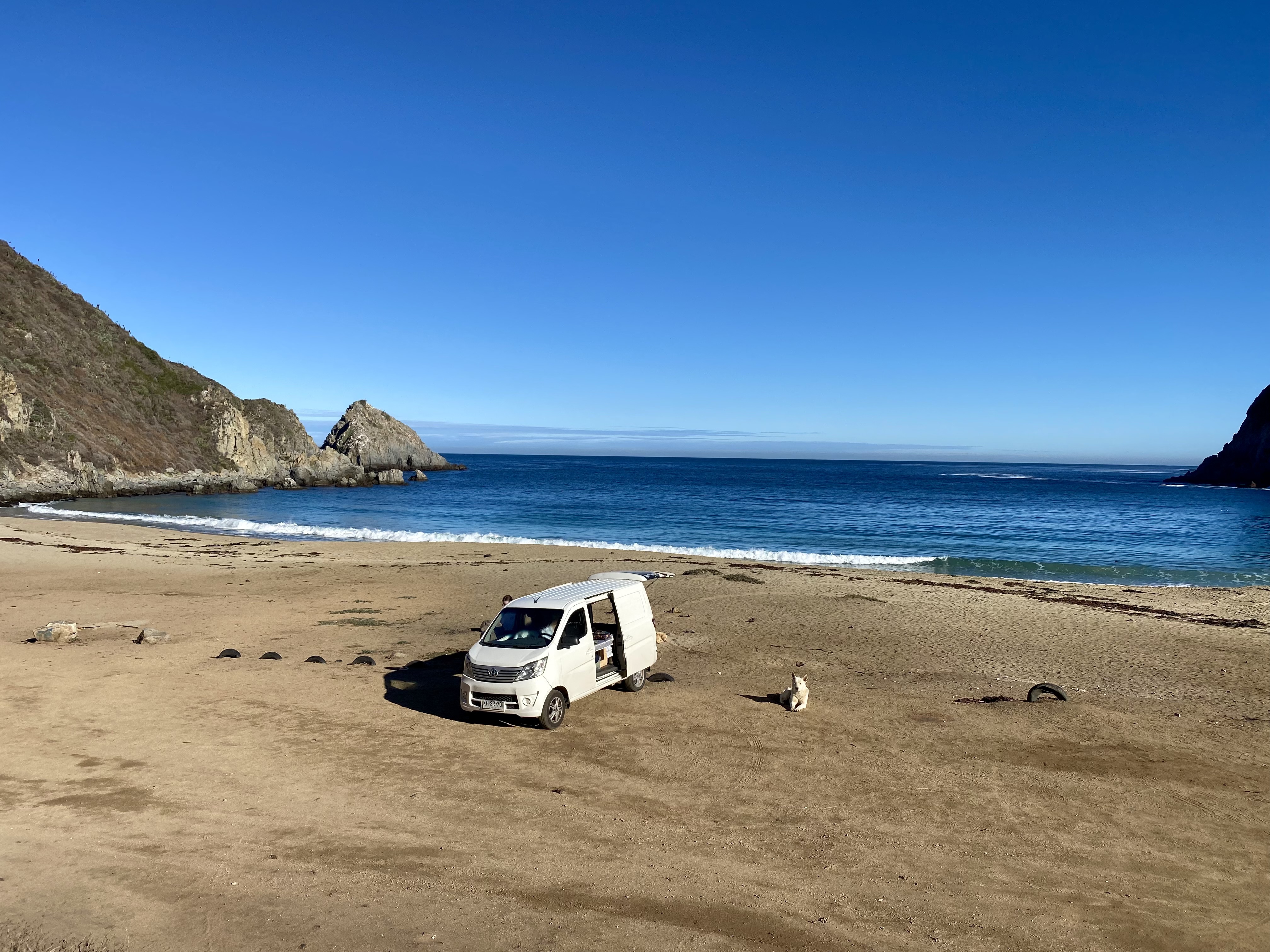
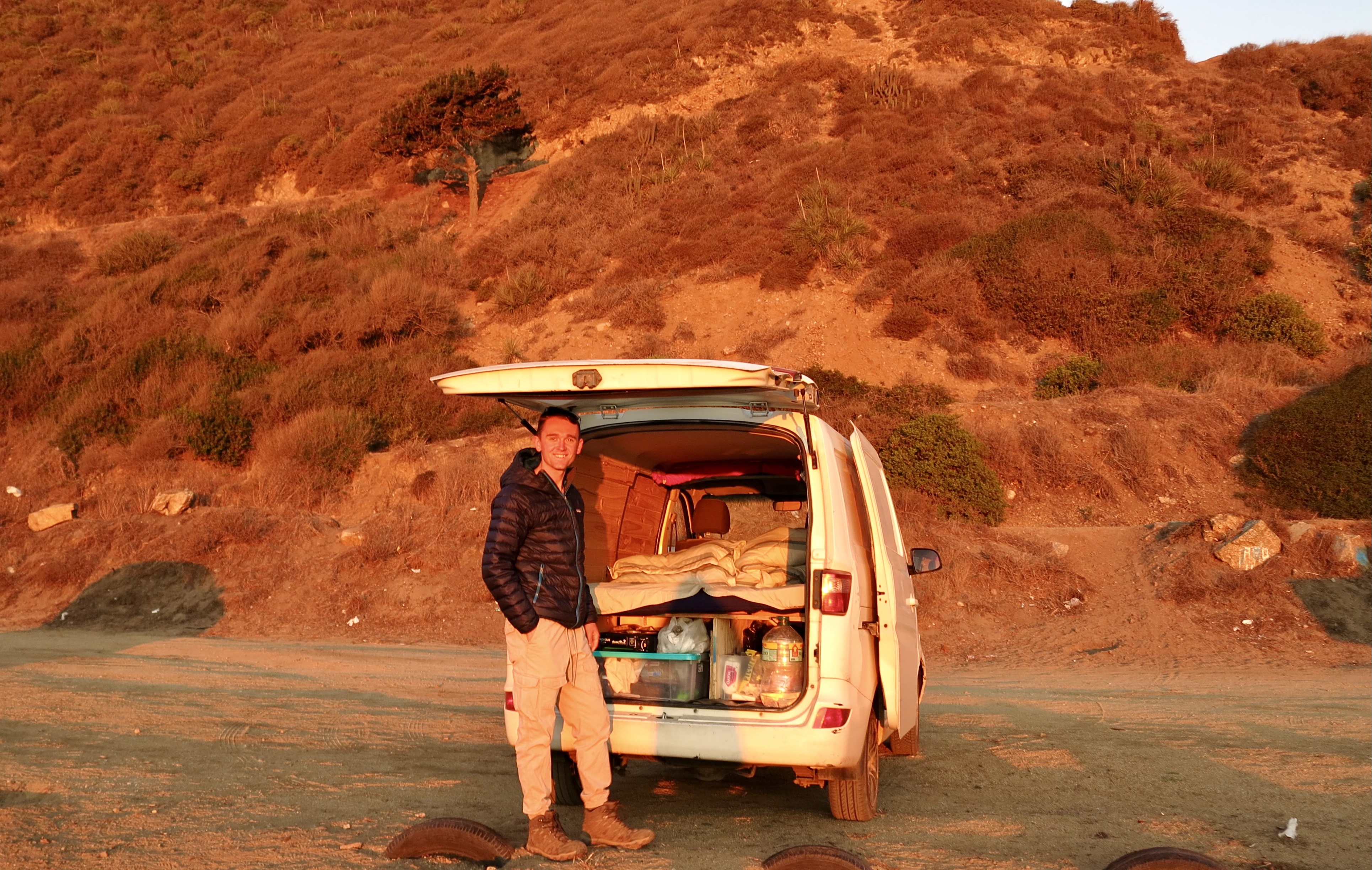
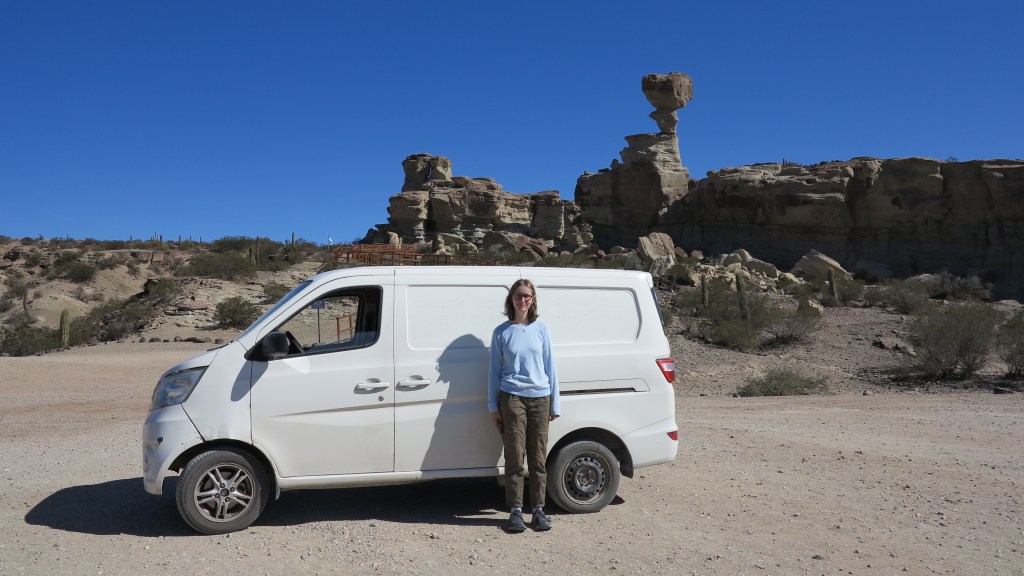
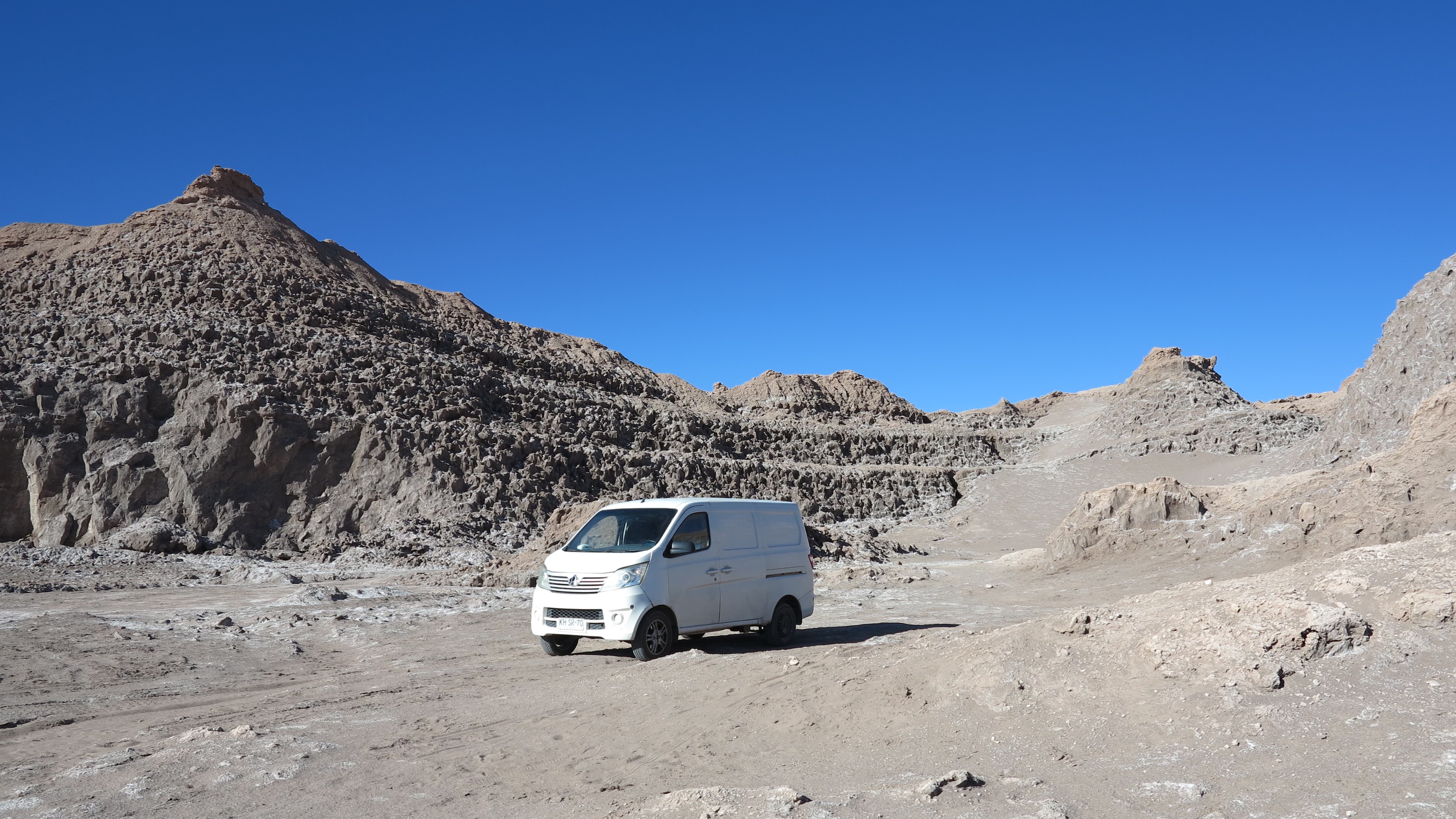
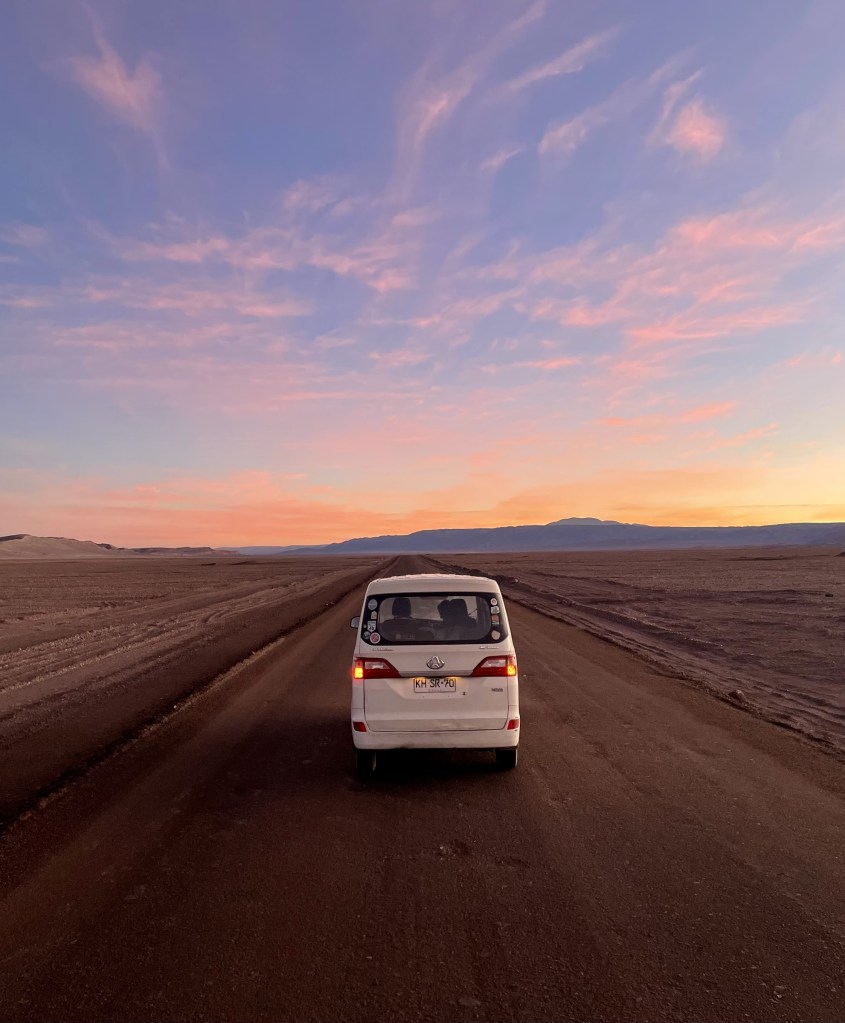
Before we left, we had discussed buying a campervan in Chile so that we could have greater flexibility and freedom to travel and explore. However, the idea slowly fizzled out when we started to research the process and complexities of Chilean law. But, one day whilst sat on a beach in Frutillar in the Chilean Lake District, waiting for yet another bus, we decided to do it! We were going to buy a van! So, after a few days of research and a generous offer from a hostel owner, we had the beginnings of what we needed to purchase our own home on wheels. We started our journey to Santiago (where we would buy the van), via Puerto Montt, where the generous hostel owner helped us to obtain a temporary Chilean RUT number, a unique tax number necessary to purchase a vehicle. Once we had arrived in Santiago, we visited a company called Suzi Santiago – which specialises in helping foreigners navigate the process of buying and selling vehicles. After a couple of days spent mostly in Chilean government offices and notaries, we had our van! It was a small white Changan van, who we called Sheila. She wasn’t big or fancy, but she was exactly what we needed. The next part of our adventure had begun.
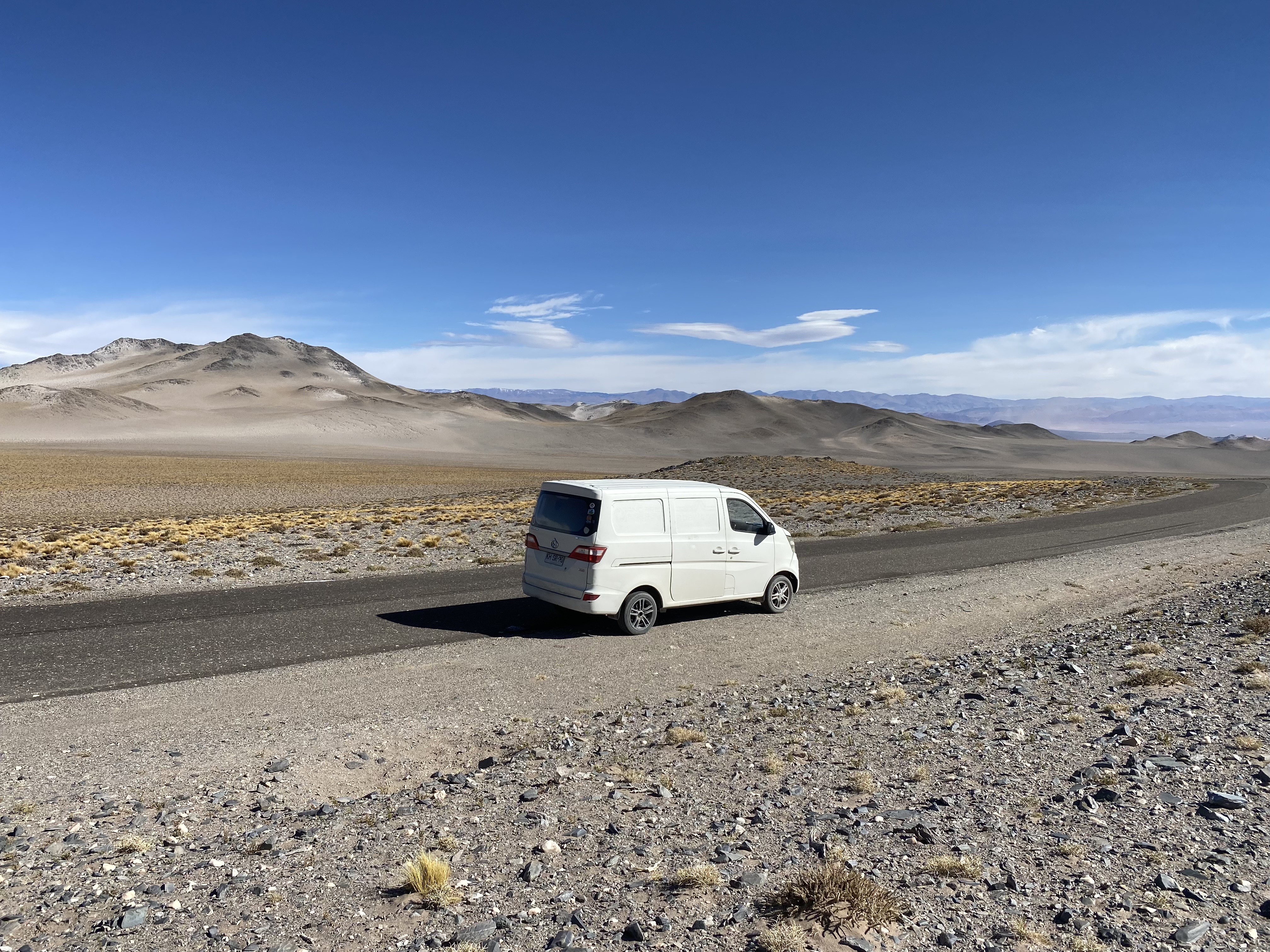
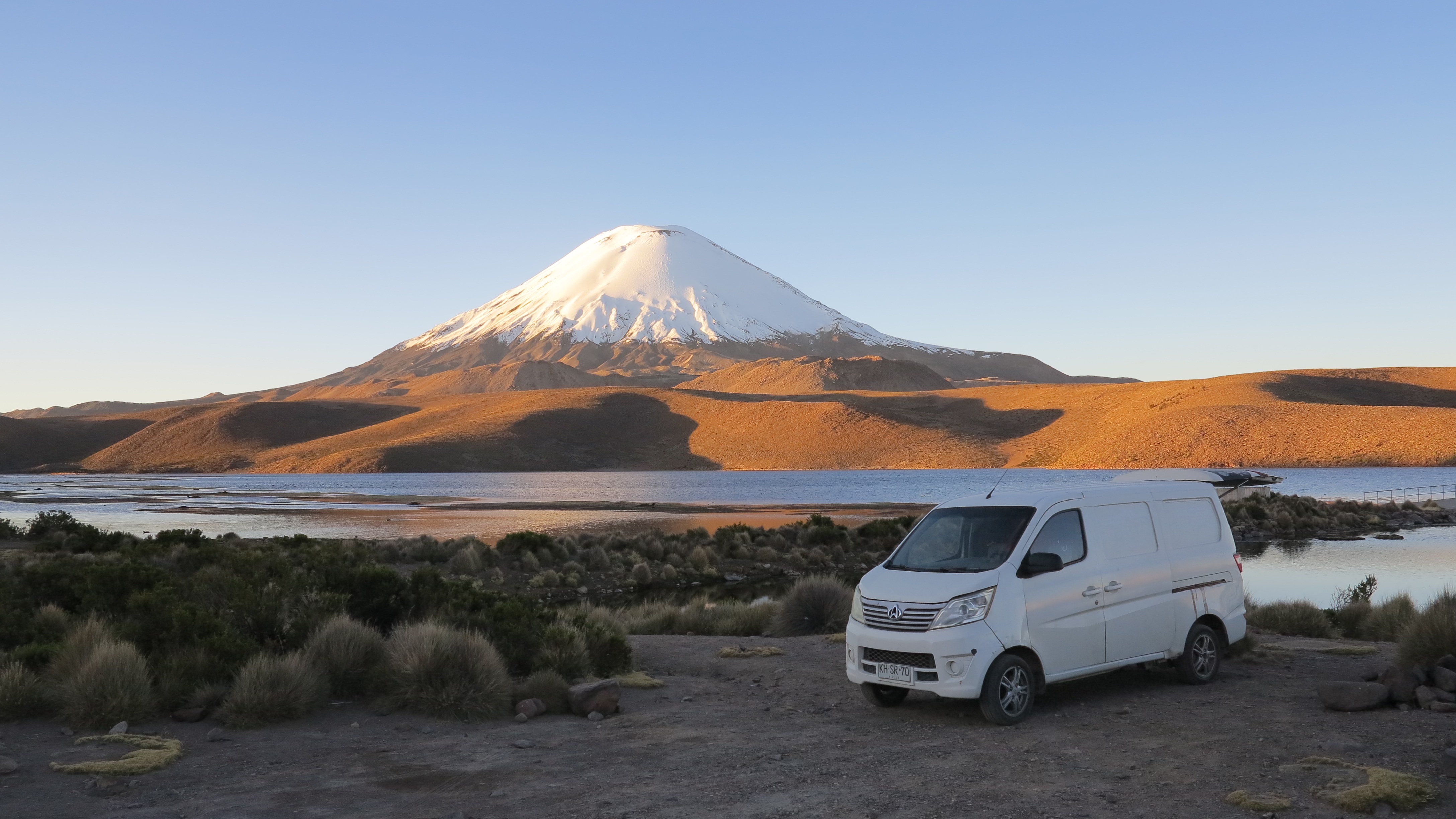
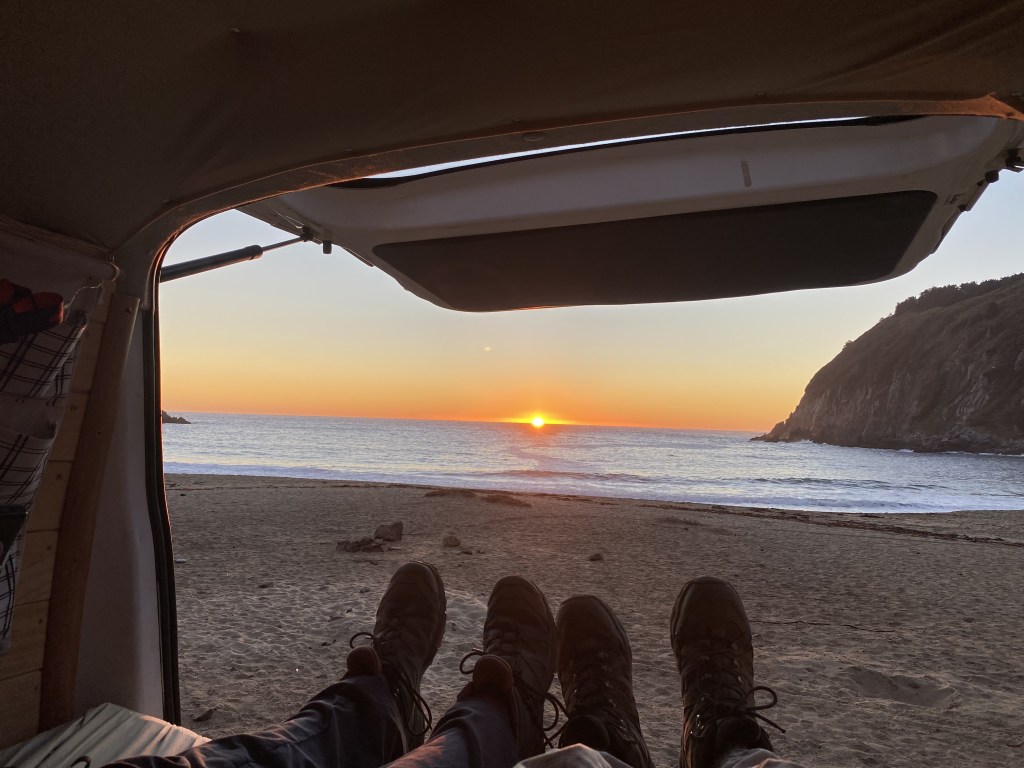
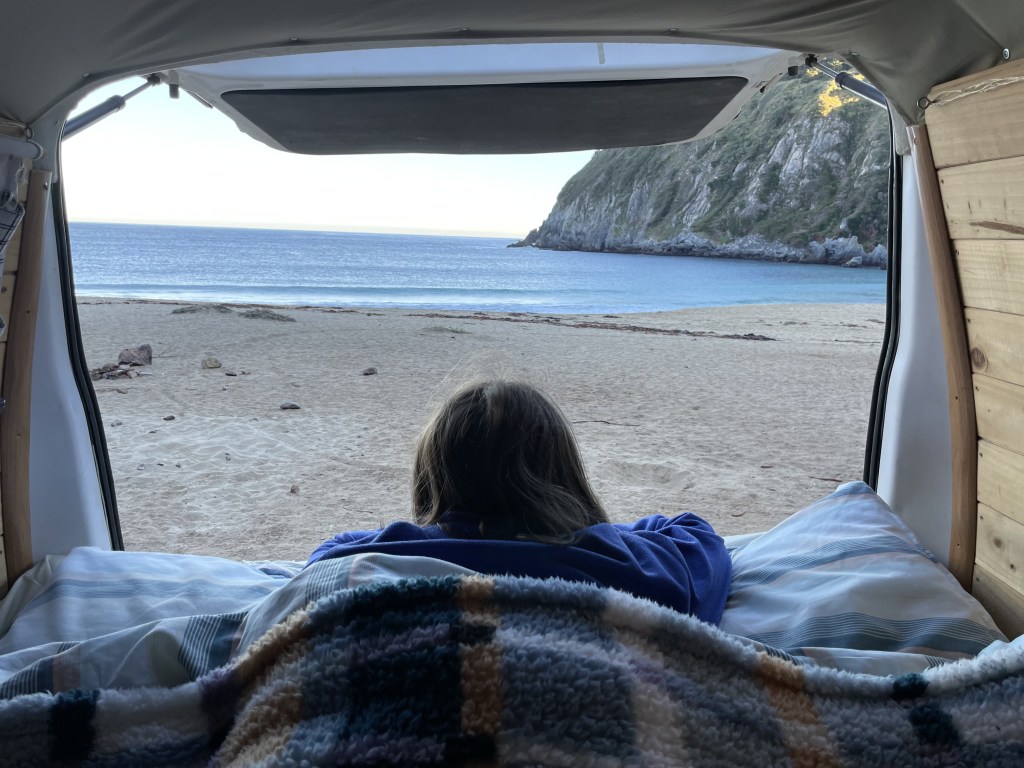
Sheila allowed us to fulfil our dreams of living a more nomadic lifestyle – one where we could travel fully under our own steam, and on our own timeline. The beauty of the van was that whilst we were constantly exploring new places, we still always had our home with us. We had the key, constant comforts of home, and at the same time an everchanging, awe-inspiring view – whether that be camped in view of a volcano, a lake, the desert, or a beautiful beach. Unfortunately, we decided to sell Sheila after only two and a half months, after complications attempting to cross the border into Bolivia. However, for Chile and Argentina she was brilliant. The van allowed us to explore so much more of both countries than we otherwise would have been able to, and for that we were very grateful and lucky. It remains one of the best decisions we made on the trip, and to anyone who is also thinking about buying a campervan abroad – just do it. Don’t think twice, you won’t regret it.
3. The Chilean Lake District
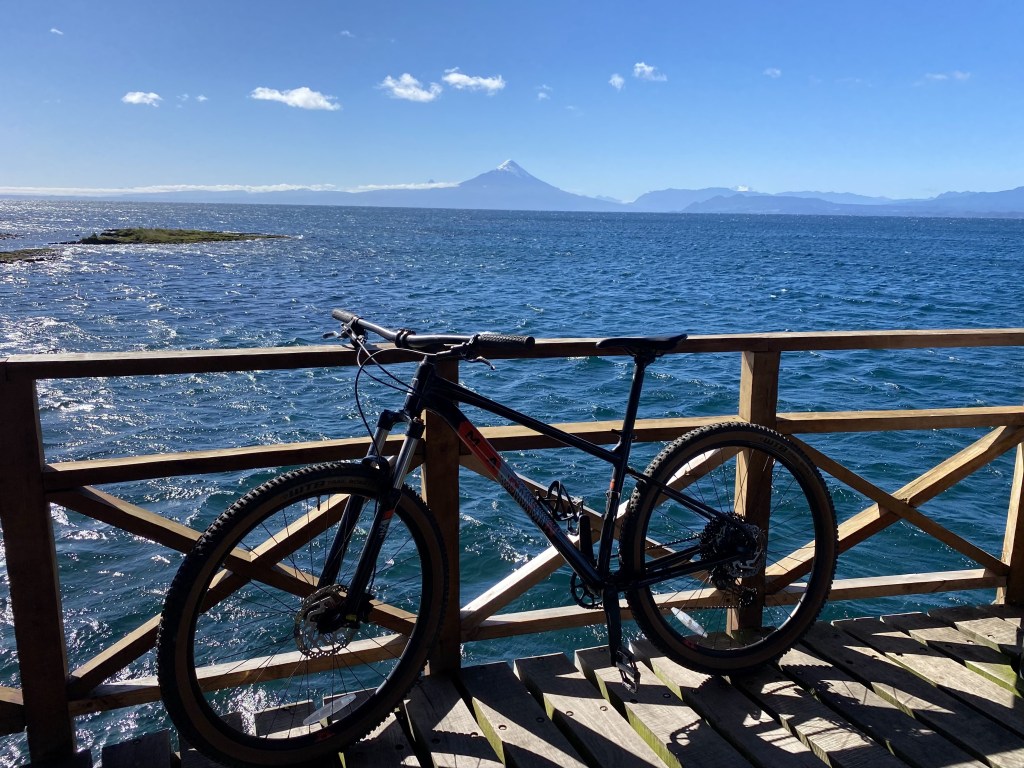
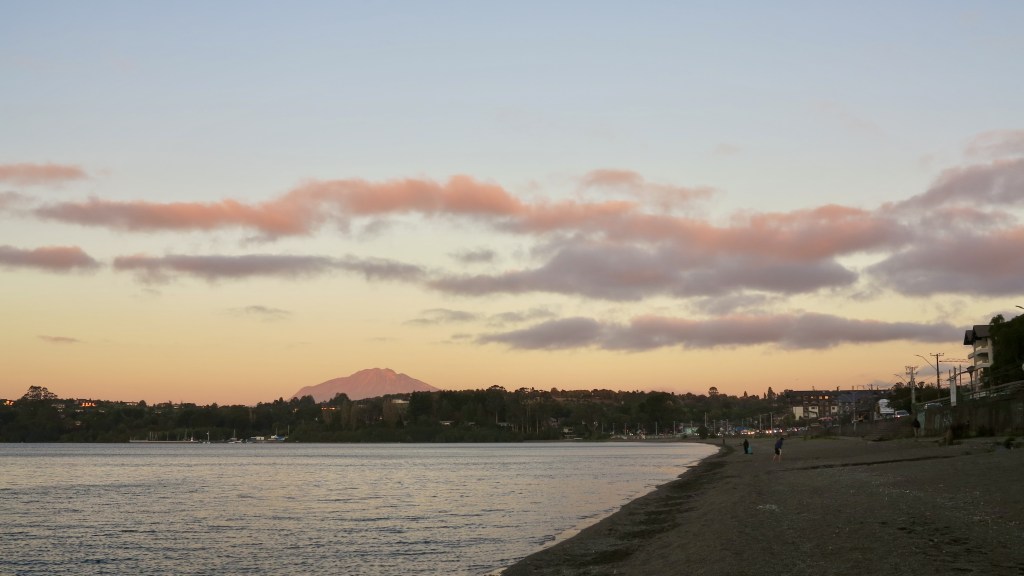
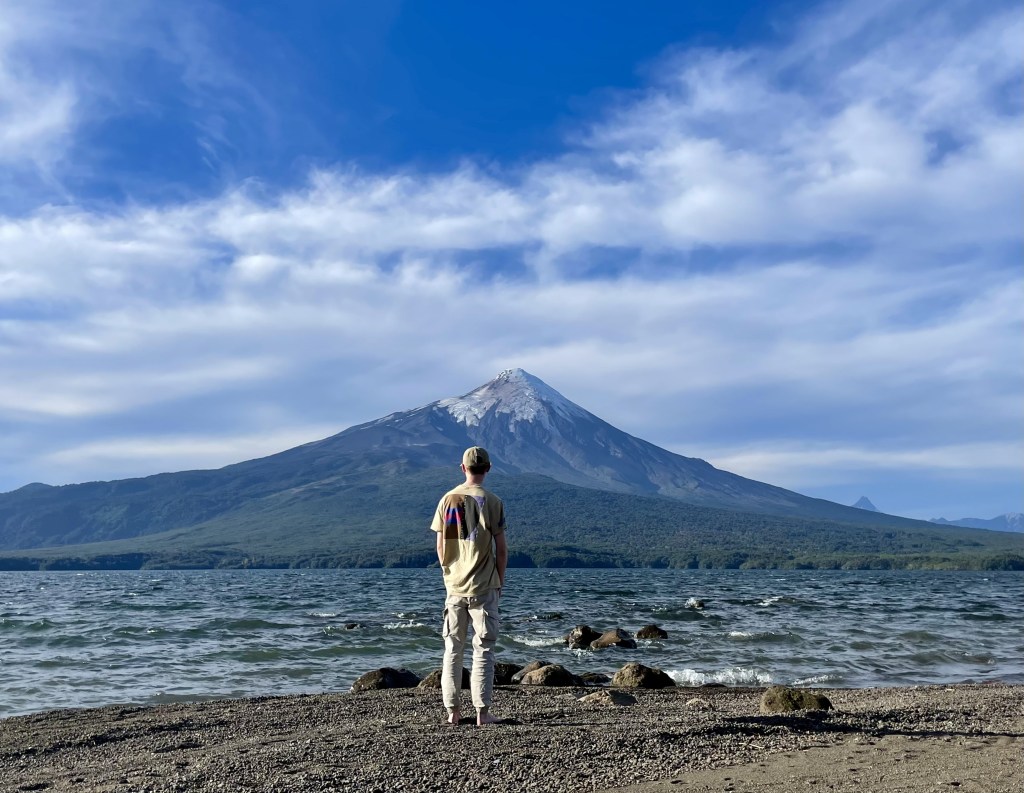
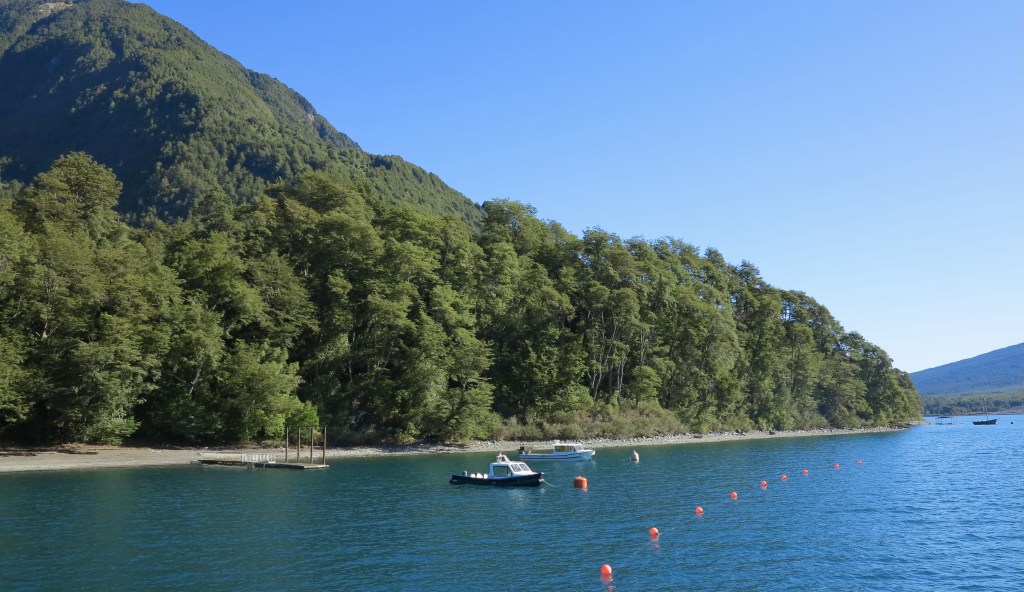
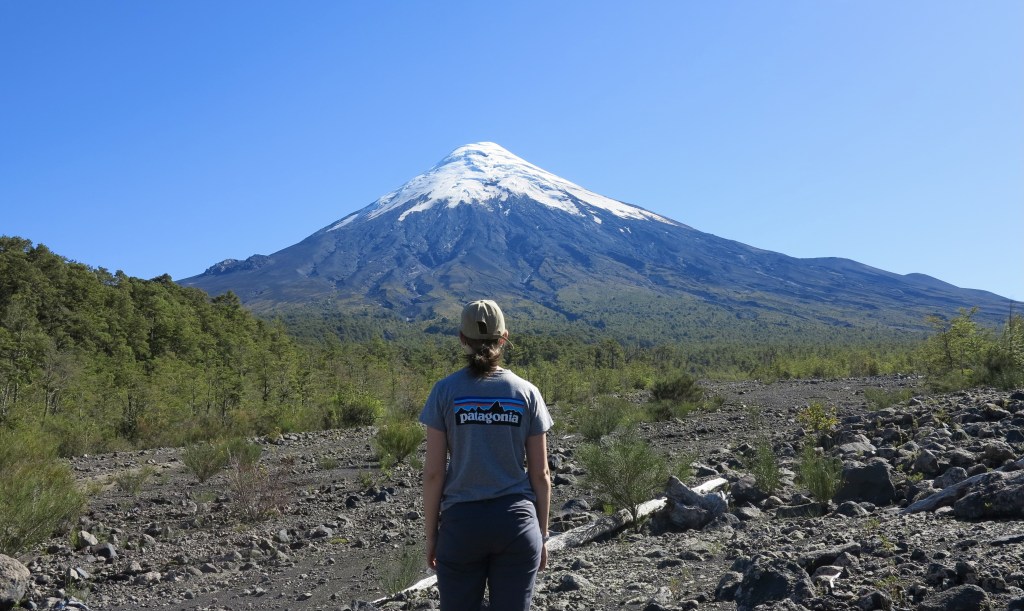
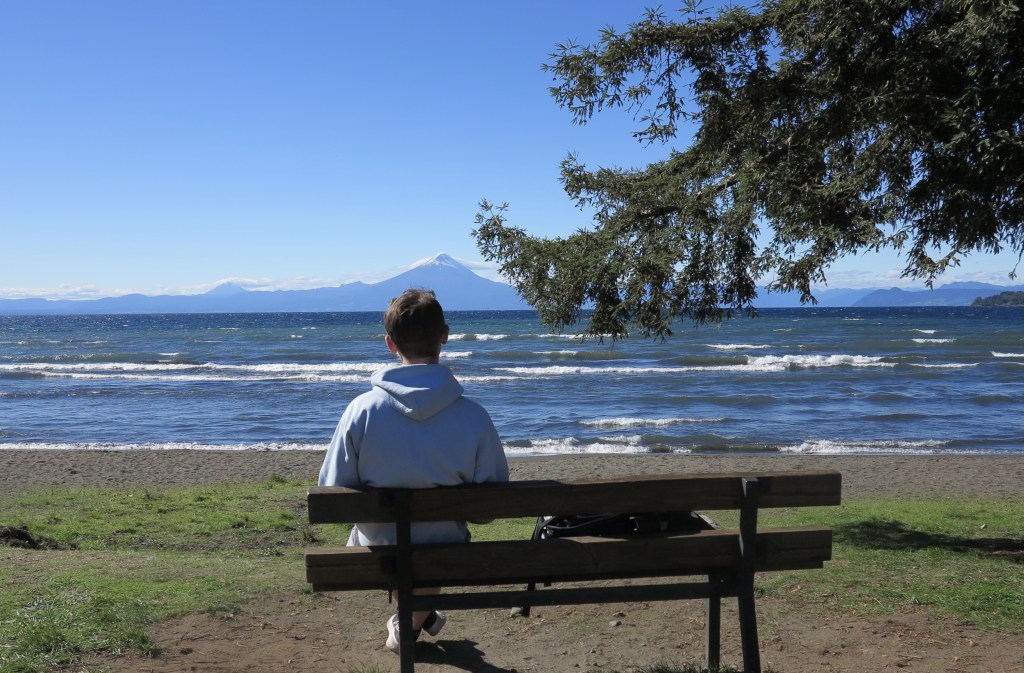
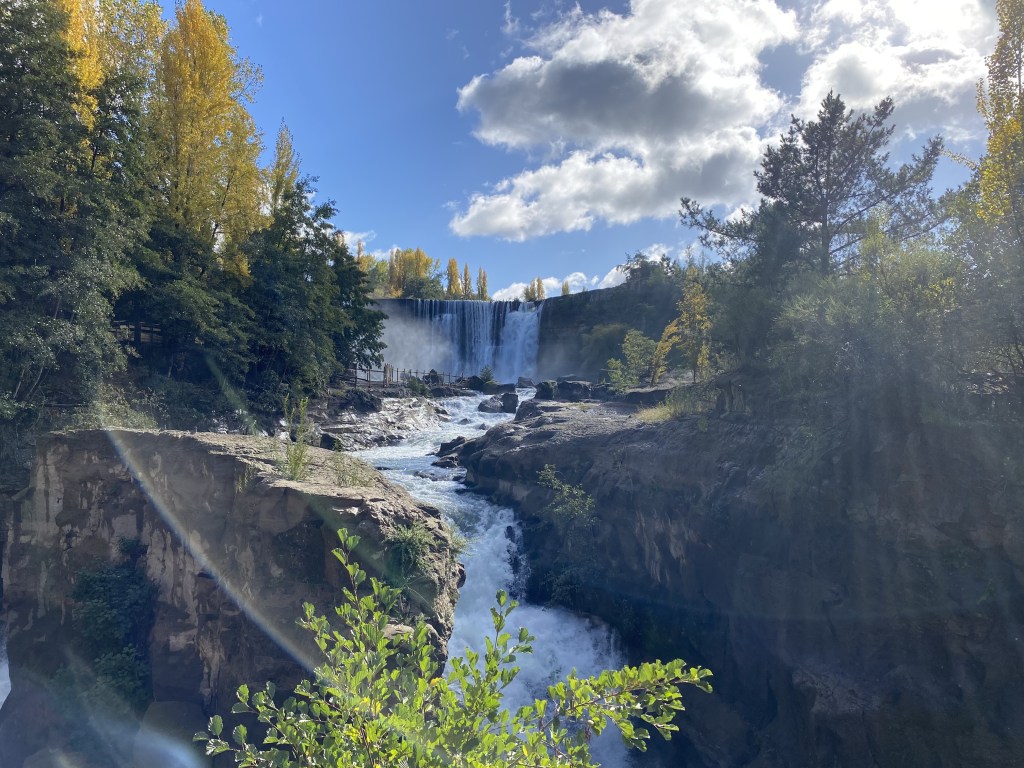
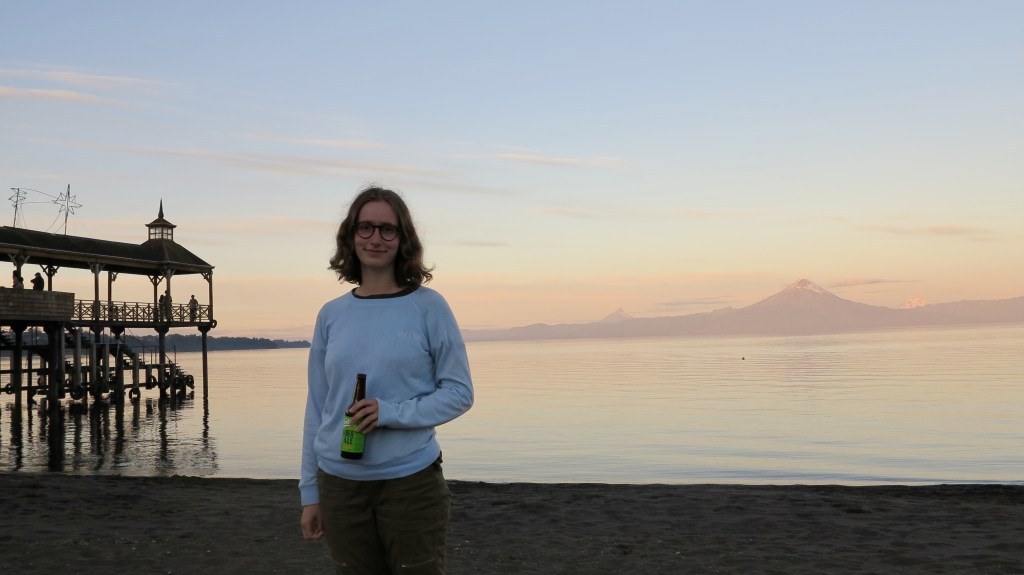
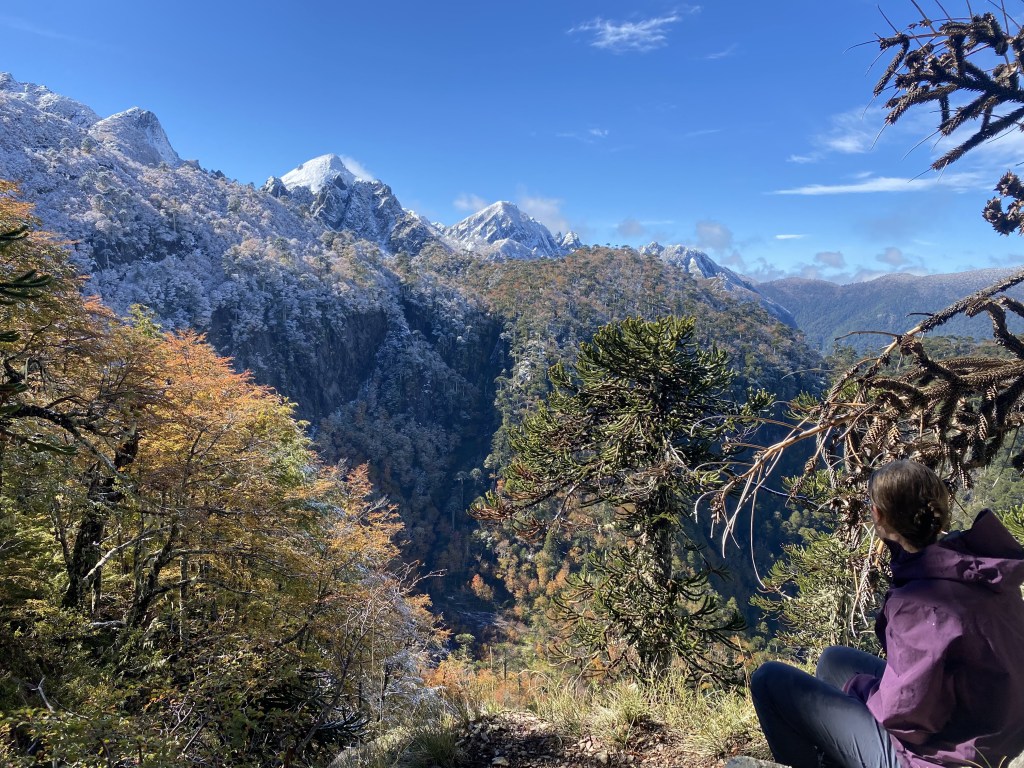
The southern area of the Chilean lake district is home to dense forest, crystal clear lakes, and snow-capped volcanoes. There are a variety of beautiful national parks that surround this area, namely Parque Nacional Huerquehue just above the town of Pucon, that we did an epic day hike in to (almost) the peak of Cerro San Sebastian. Whilst we were there, we also visited the towns of Puerto Varas, Ensenada, and Frutillar. We particularly enjoyed Puerto Varas, which is an outdoor adventure hub, and a great place to hike, kayak, bike, or climb. I would love to go back to this area one day during the brighter, sunnier weather as we visited in shoulder season and experienced a lot of rain. I know these pictures don’t suggest miserable weather, but I promise it was mostly cold and rainy!
4. The Atacama Desert
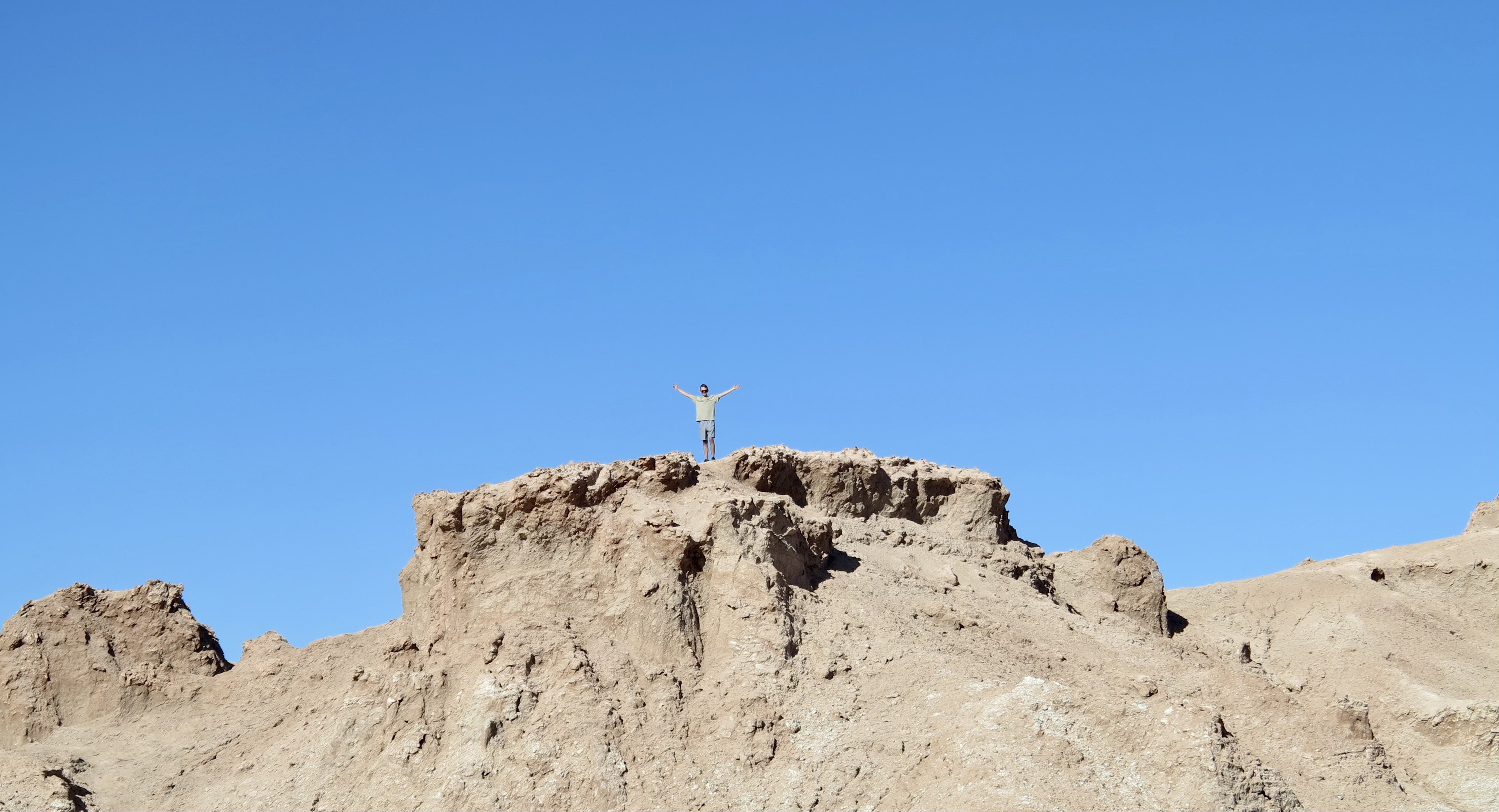
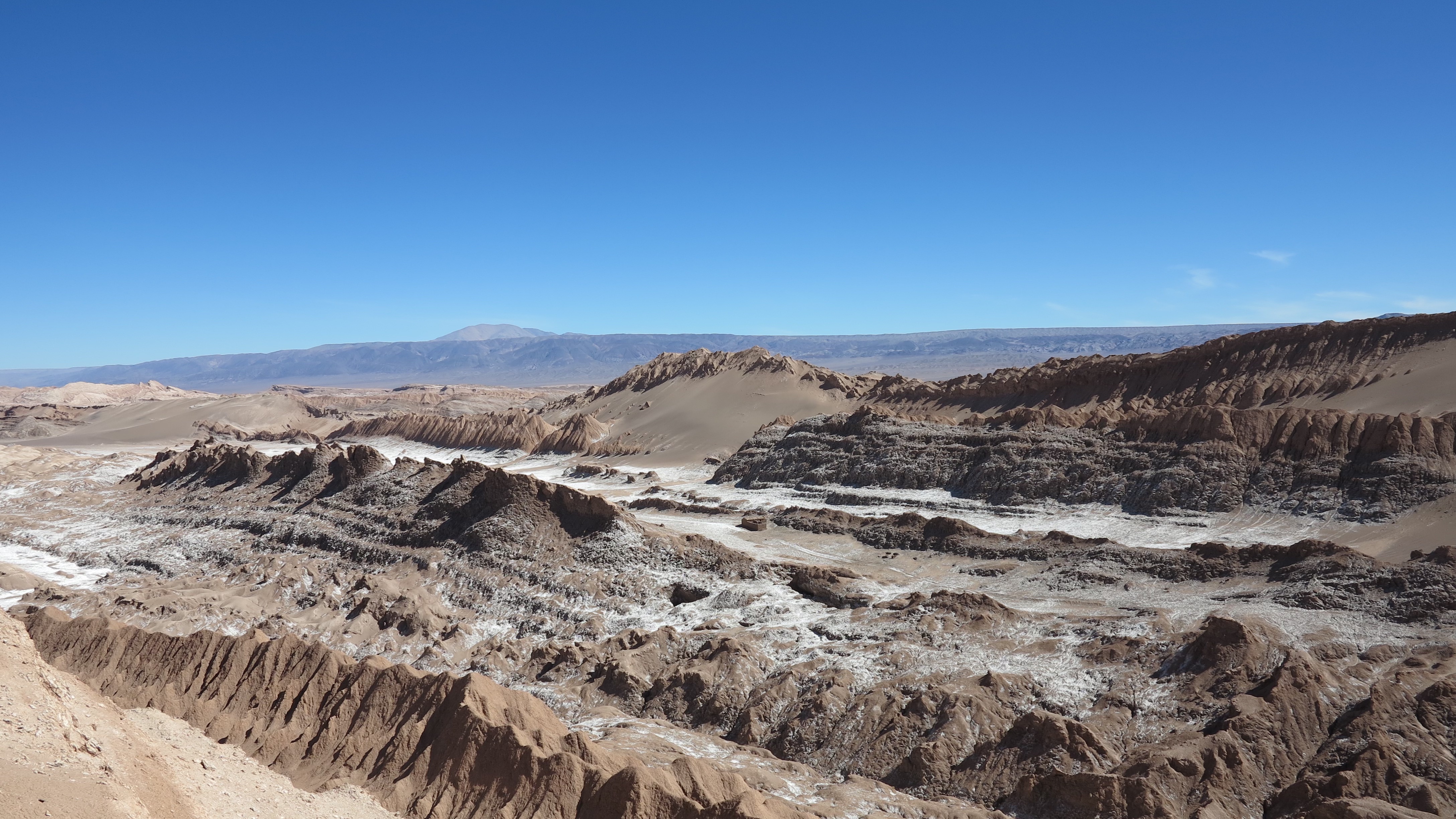
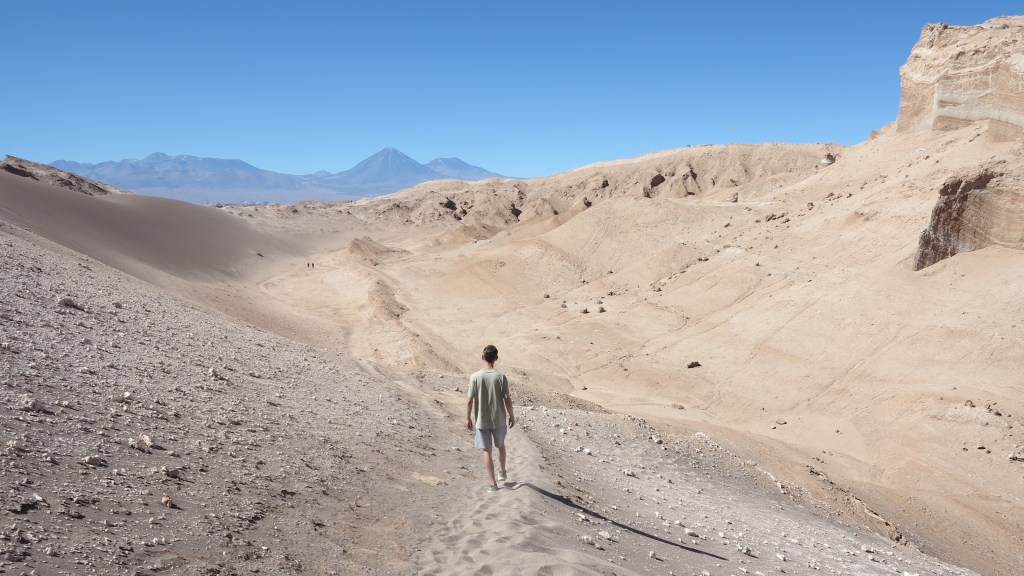
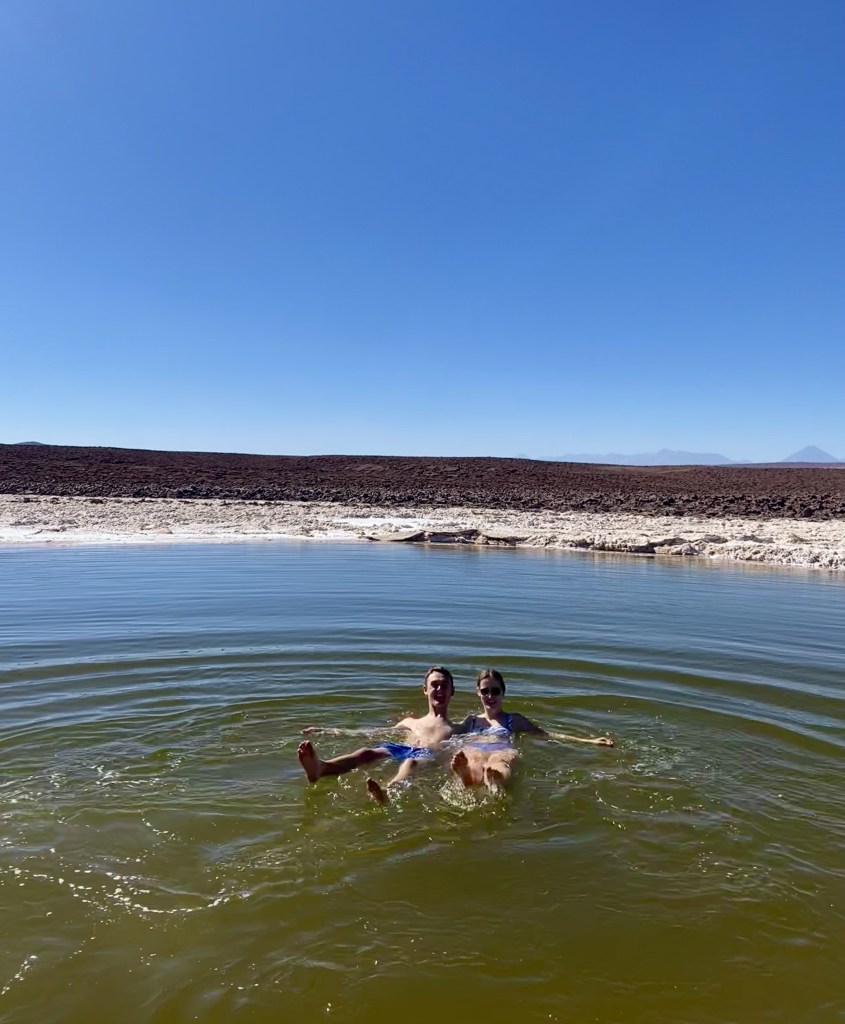
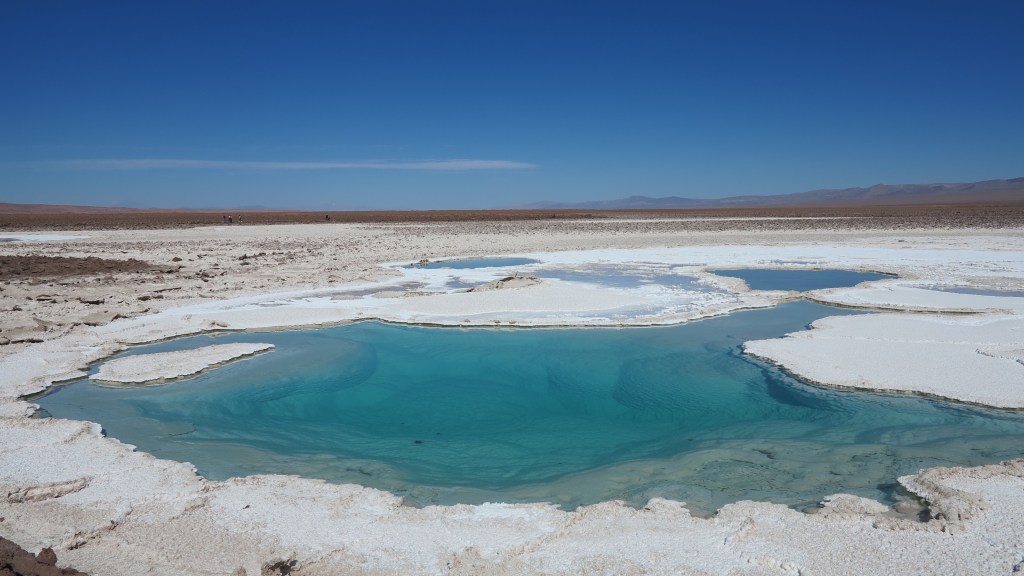
We visited the Atacama Desert after having crossed over the border from Argentina at Paso de Jama at 4,800m. It was a long and scenic descent down to the town of San Pedro de Atacama, the main town and tourist hub in the desert, and it was a landscape unlike anything I had ever seen before. It is one of the driest places on earth, and it precisely this barren aridness that makes it so beautiful and unique. We visited the Valley of the Moon, watched sunset over Death Valley, visited Laguna Baltinache (a salt lagoon), and camped under the stars at the infamous magic bus. The night sky in the desert is truly mesmerising, and we observed several constellations and shooting stars sparkling during the cold, still evenings. There are plenty of others interesting things to see, including seeing El Tatio Geysers at dawn, and visiting Laguna Chaxa to get a glimpse at some flamingos. I would recommend hiring a vehicle if you’re able to whilst you’re here, it is the easiest and best way to explore, and allows you to avoid the highly popular, but over-priced tour companies.
5. El Peñón, Argentina
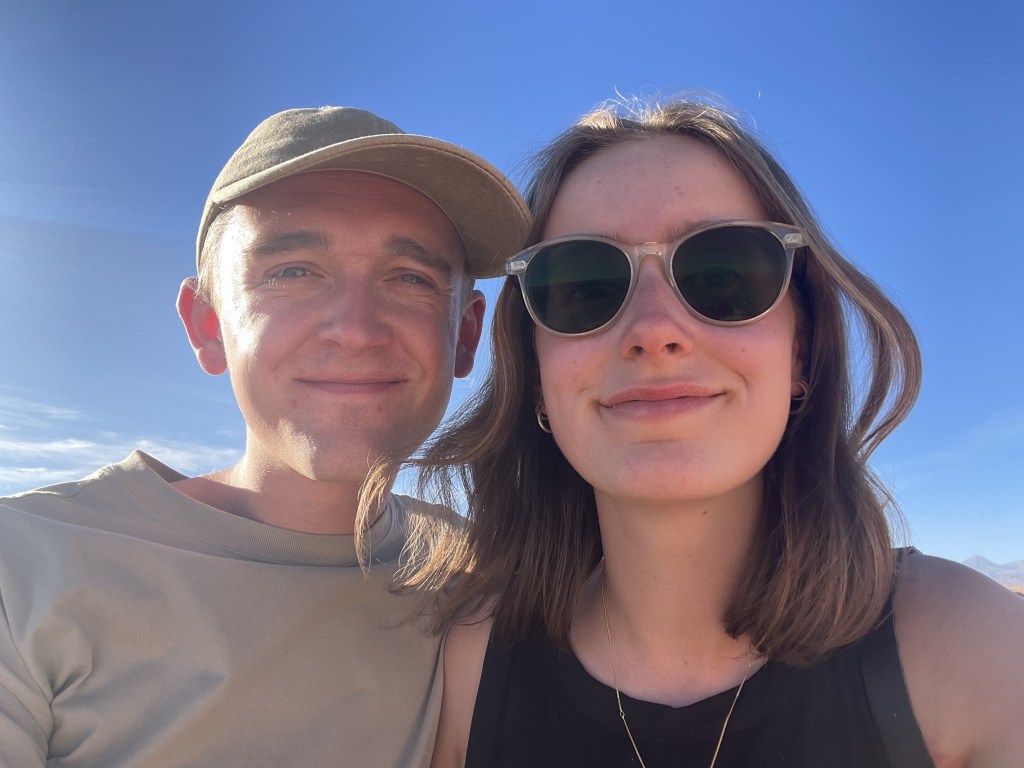
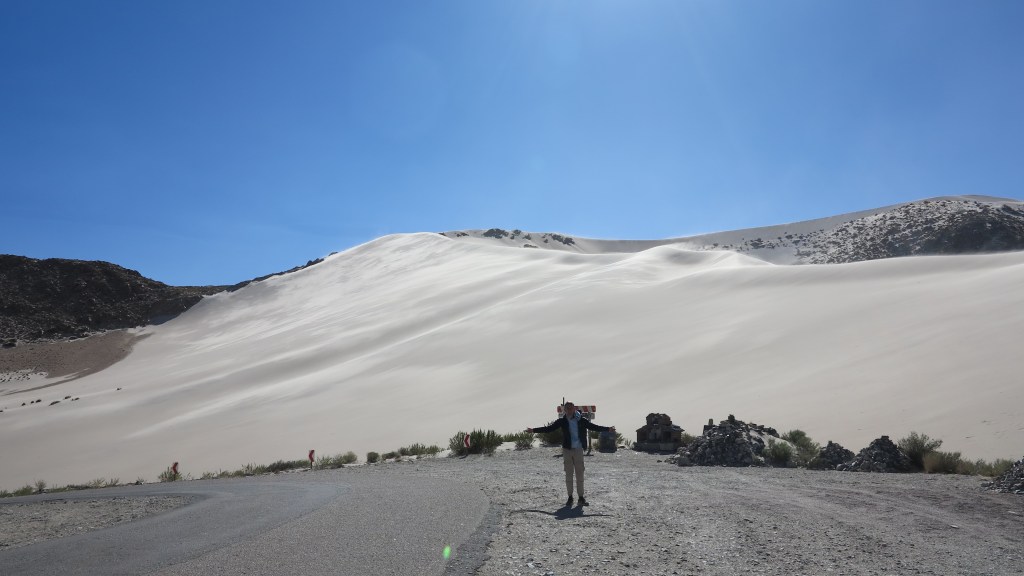
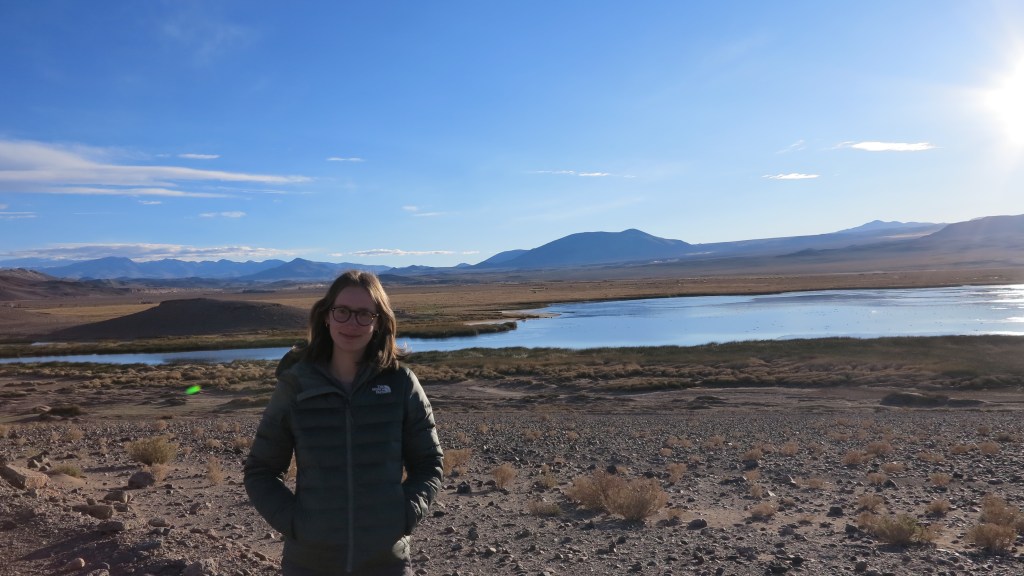
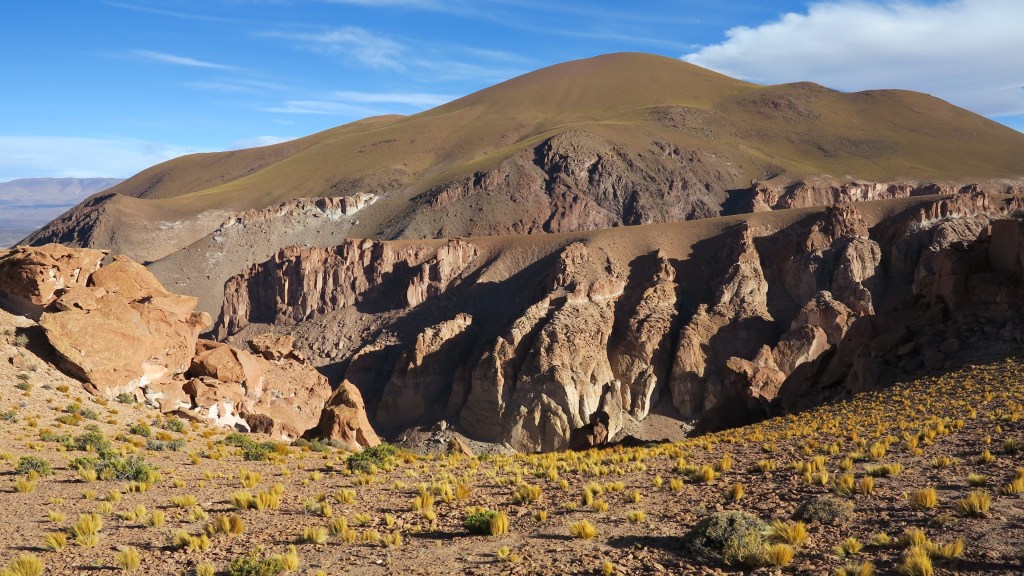
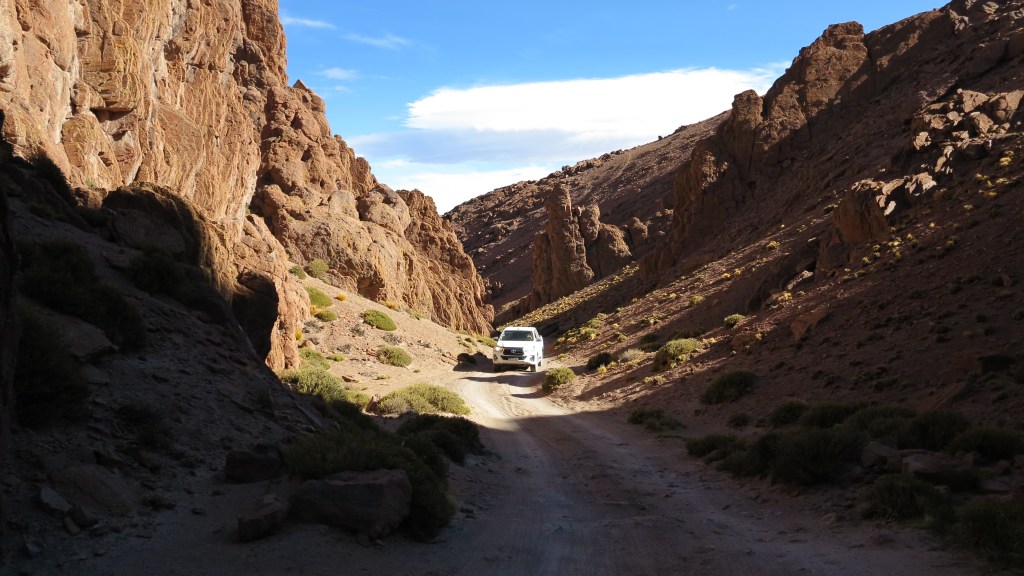
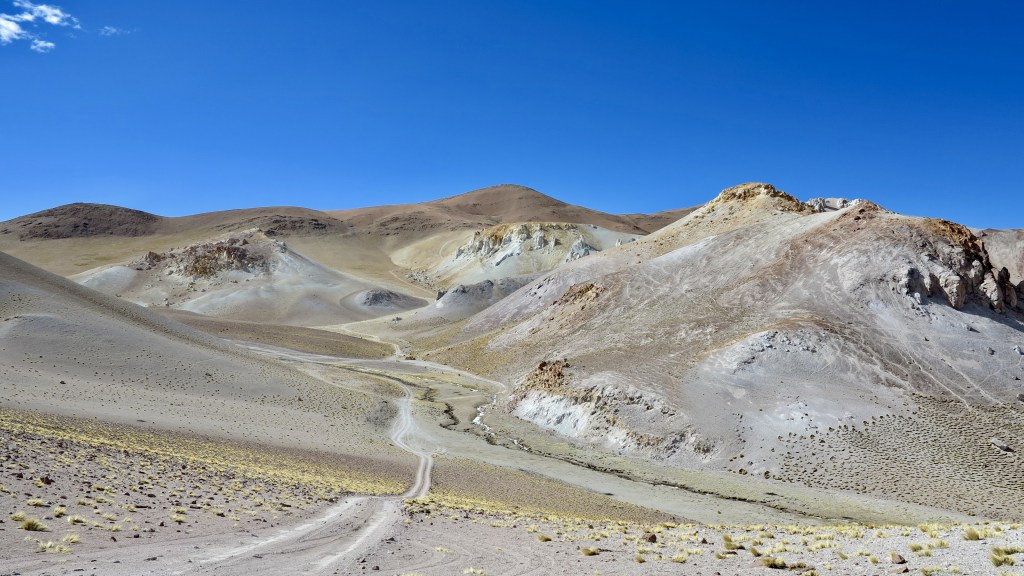
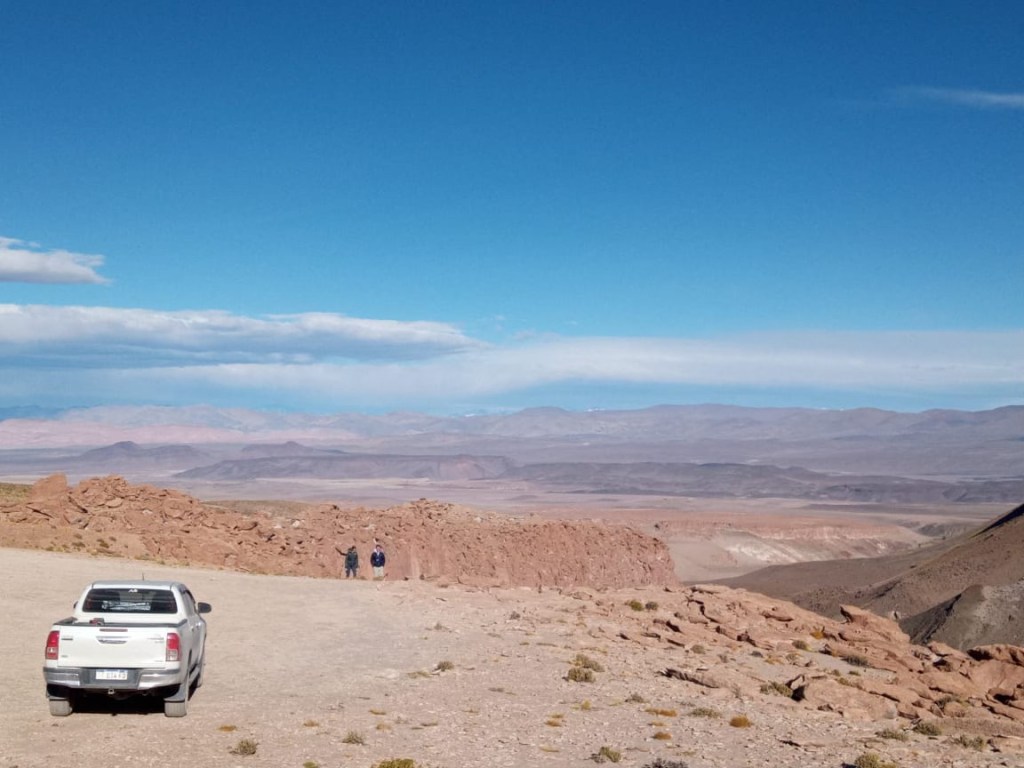
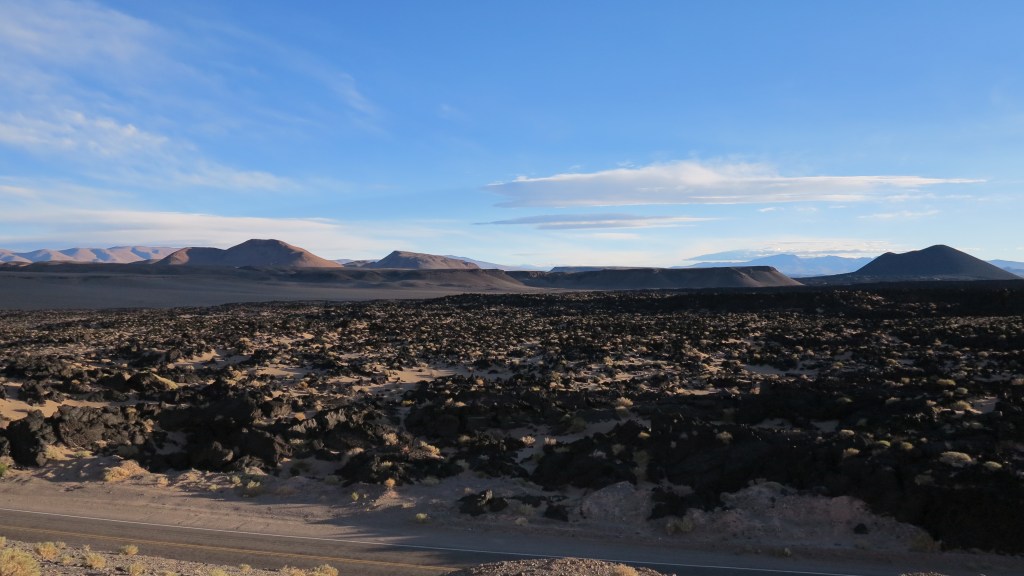
El Peñón in the northwest province of Catamarca in Argentina is the most remote place I have ever visited. There is one road in and one road out. Route 43 connects the small villages of El Peñón and Antofagasta de Sierra to the main Route 40 that continues to head north all the way to the border of Bolivia. The landscape of Puna (a high-altitude desert) is majestic, desolate, and otherworldly. It is a challenging climate, but one that boasts a remarkable amount of biodiversity. Whilst on our journey, climbing up to over 4,000m, we witnessed endless mountains, salt lagoons, sand dunes, canyons, and volcanoes. Plus, an abundance of guanacos, donkeys, condors, flamingos, and vultures. Our craziest moment occurred during our drive up the mountain. On our ascent, we were battling through thick fog, wind, and sleet, and almost turned back to find a place to camp at the bottom of the mountain. However, we decided to persevere and out of nowhere, we emerged into bright, blue skies and were faced by a massive sand dune – what we would later find out to be the ‘Dunas de la Difunta’. In the space of 200m, the blizzard gave way to stillness. I still remember the moment so clearly, it was a true spectacle of Pachamama, the Andean and South American goddess and spirit of the land. In its simplest translation from Quechua, Pacha meaning ‘world’ and mama meaning ‘mother’. The spirit of Mother Earth is strong in rural South America as she brings fertility and fulfilment to life. It is easy to see why they worship her when blessed with such an abundance of natural beauty, and this was one such example.
Whilst we were in El Peñón, we were lucky enough to be able to arrange an all-day excursion with a local guide, who took us deeper into the Puna. Despite our limited Spanish and his limited English, we managed to converse – and most of the time the landscape did the talking. We drove around the outskirts of Volcán Galán, reaching our highest point of the whole trip at 5,000m above sea level. The landscape surrounding this area is so far removed from any semblance of suburban western life, it felt like walking on another planet – one that thrives on much simpler values and ways of life. It reminds you of the fragility and vulnerability of human life, we are only one species in a vast world that holds so much power. I will remember these few days in El Peñón for years to come.

Stay tuned for part 2, where I round up another five highlights.

 Life of Becky